“White House precedents today barred eleven-year-old Lois Edmonds, champion bread baker of Iowa, from baking a loaf of bread for President Taft in the White House kitchen.” That was the news in the Washington Times on Saturday, February 3, 1912. The champion didn’t seem to mind much. “I’m having such a good time, though, that I hardly have time to do any business, but I would like to show the President what I can do,” she told the paper.
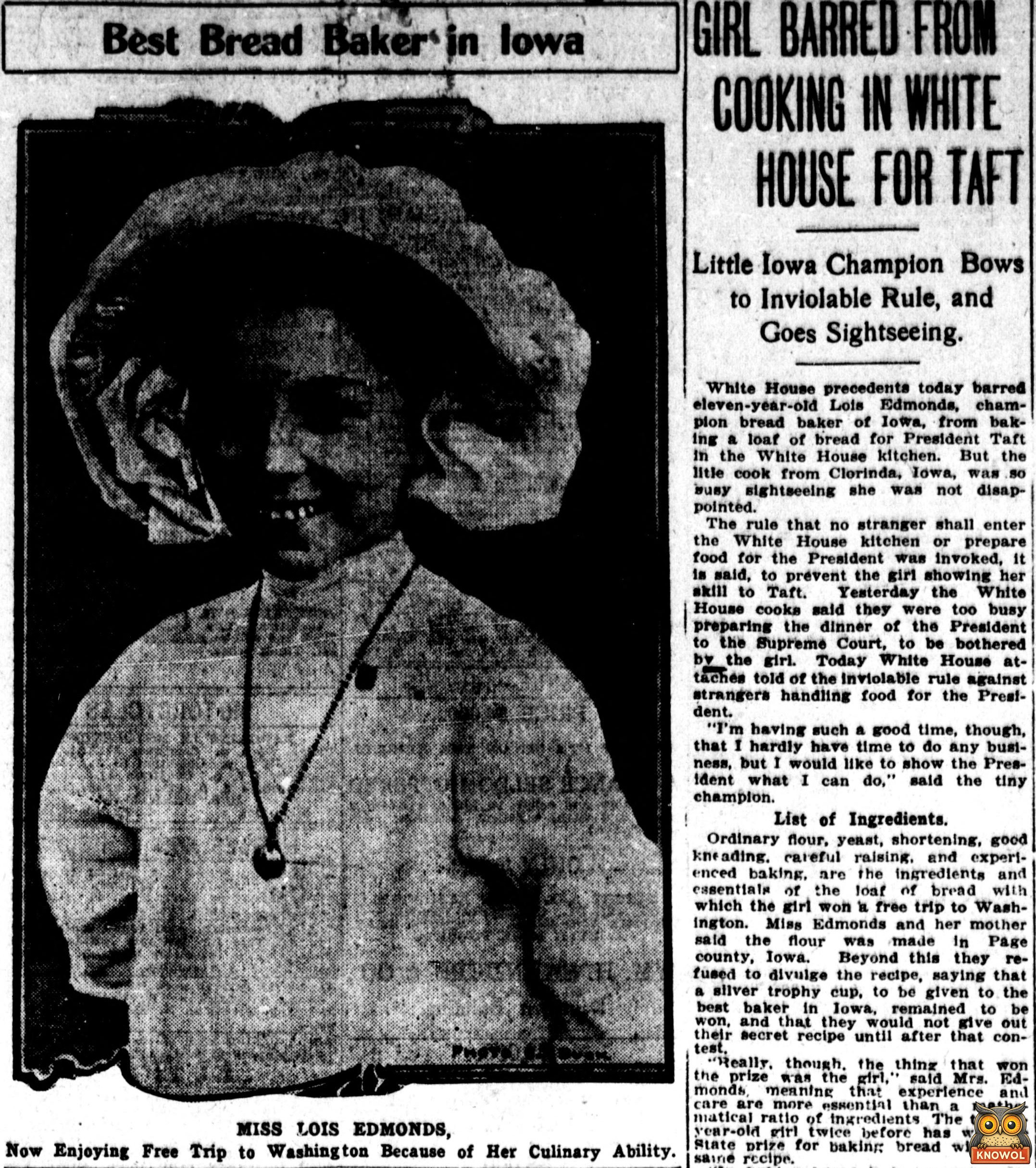
“Girl Barred From Cooking in White House for Taft,” the Washington Times, Washington, D.C., February 3, 1912, page 14. Library of Congress, Chronicling America. Click the clipping to read it full size.
The best loaf in Iowa
Lois came from Clarinda, Iowa, the county seat of Page County. Most papers said she was 12. She learned to bake in her mother’s kitchen, but she baked her prize loaf in a laboratory at the state college in Ames, turning it in the oven every few minutes. “My bread was just the same nice brown on all sides,” she told the Detroit Times.
Each girl baked two loaves and picked one for the judges. After Lois chose, she burst into tears, afraid she had picked the wrong one. She hadn’t. Her sister Neola, two years older, lost because the oven heated unevenly, and her loaf came out browner and a little higher on one side. The Detroit Times said Lois beat more than 1,200 other girls. The Evening Star in Washington counted more than 6,000.
A special car to Washington
The prize, from the Des Moines farm paper Successful Farming, was a trip to Washington for Lois and her mother. Her sister came too. They traveled with another prize girl, Vivian Edwards of Clarksville, and nine boys who had won county corn-growing contests, 18 people in all in a special railroad car, as guests of seven Iowa congressmen. The Marshalltown paper called Lois the central figure of the party.
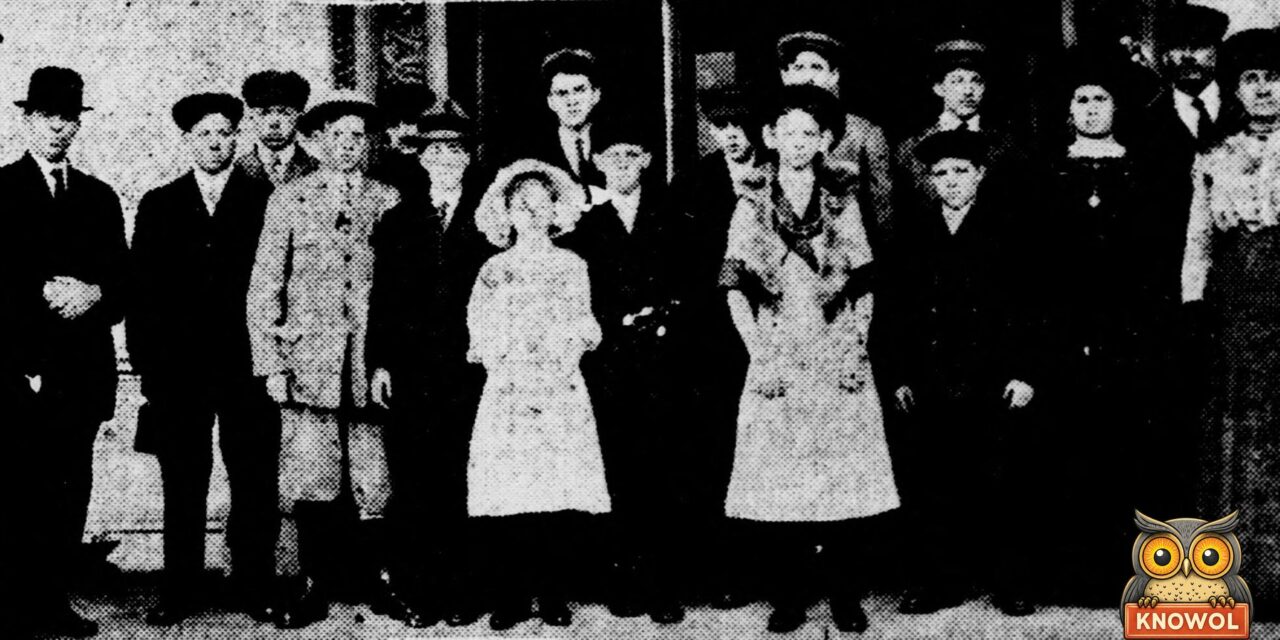
On February 2 the Evening Star printed the group’s photograph, the one at the top of this story, and Lois’s plan. Before she left Washington, she said, she would bake a prize loaf for President Taft and for Secretary of Agriculture James Wilson, a fellow Iowan.
Red Tape and Precedent
The White House cooks said no. On Friday, the Washington Times reported, they were too busy with the President’s dinner for the Supreme Court to bother with a girl from Iowa. On Saturday the staff pointed to an old rule: no stranger could enter the White House kitchen or prepare food for the President.
Back home, the Decorah Public Opinion took Lois’s side. “The twin ‘boog-a-boos’ of Washington, Red Tape and Precedent, stood in the way of Miss Edmonds’s realization of her ambition to bake for President Taft a sample of Iowa bread,” it wrote. It blamed jealous official cooks, and it ended the story plainly: “Mr. Taft ate common bread.”
Lois did meet the President. She chatted with Taft and with Secretary Wilson, the Detroit Times said, though she liked the Washington Monument and the Capitol dome a good deal better.
The secret recipe
At first the family kept the recipe to themselves, because a silver trophy cup was still to be won back in Iowa. Within days it was in the papers anyway: one cup of milk or water, half a cake of yeast, a teaspoon of salt, a tablespoon of sugar, a tablespoon of butter or lard, and two cups of flour. Milk or water, Lois said, it just depended. Butter or lard, whichever was handy. Her mother explained the rest. “You can’t cook by rule. You must just cook and cook until you learn these things.”
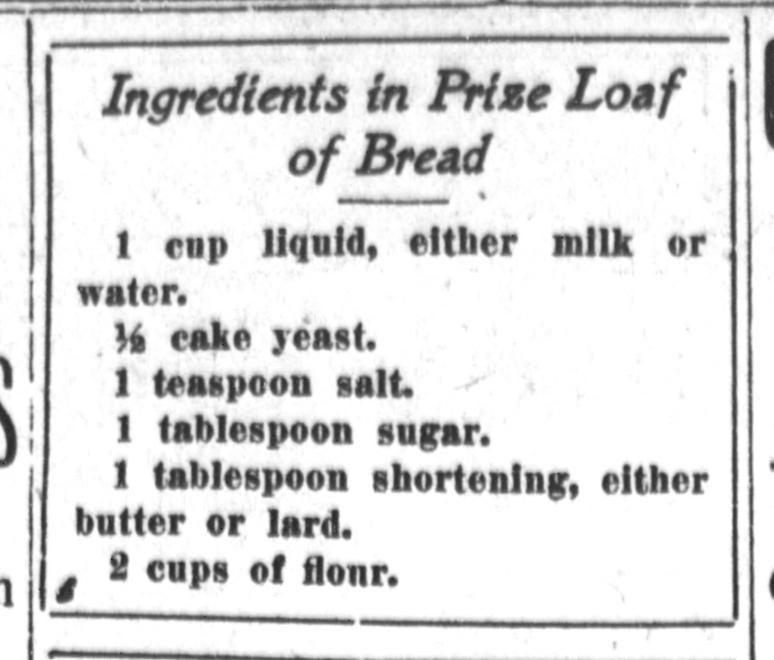
“Ingredients in Prize Loaf of Bread,” the Washington Times, Washington, D.C., February 6, 1912, page 3. Library of Congress, Chronicling America. Click the clipping to read it full size.
Bread for a penny
The same page of the Washington Times carried news of a different kind of bread. The Gospel Mission was about to open a penny lunch room for the city’s poor, where coffee, crullers, biscuits, bread, beans, hominy, baked potatoes and butter would each cost one cent. For a nickel there were four set meals: oatmeal, pie, beef stew or lamb stew, each with coffee.
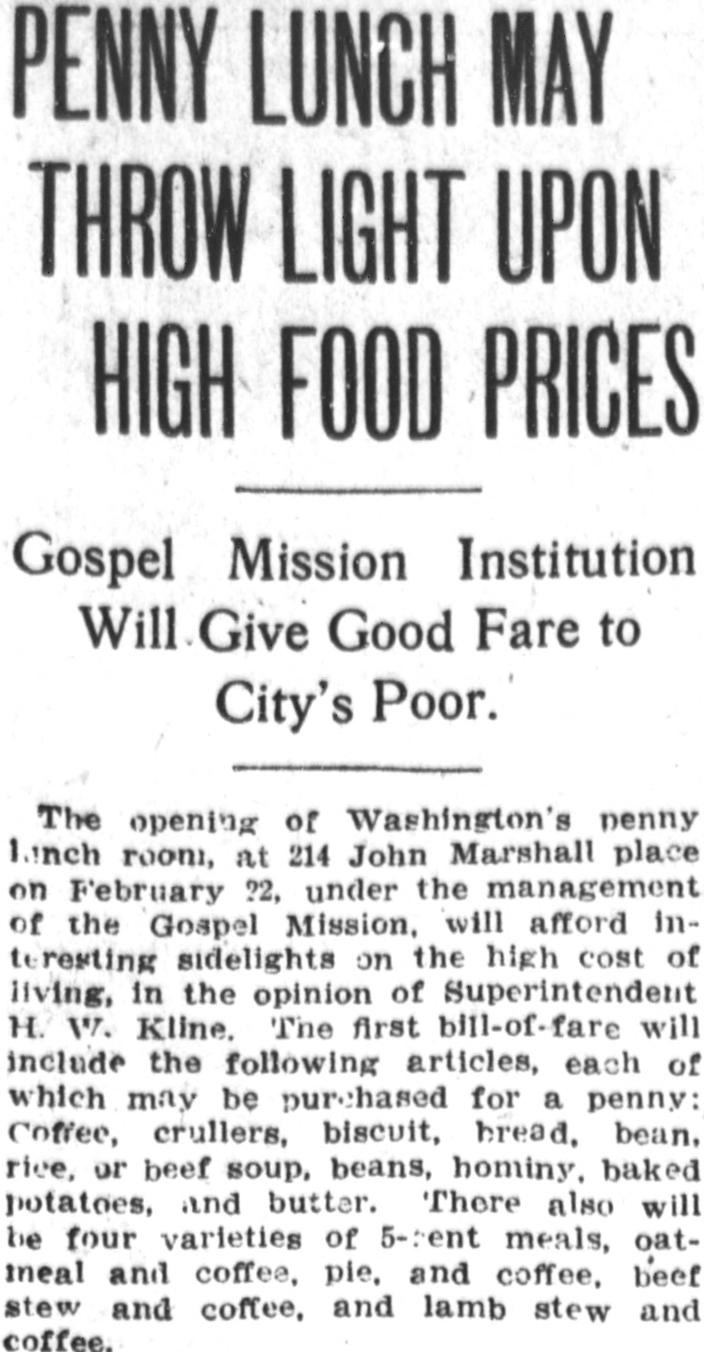
“Penny Lunch May Throw Light Upon High Food Prices,” the Washington Times, Washington, D.C., February 6, 1912, page 3. Library of Congress, Chronicling America. Click the clipping to read it full size.
“I just can’t have any fun at all!”
Being famous wore on Lois. “I wish you had won that prize,” she told her sister. “Then I wouldn’t have people looking at me and wanting to take my picture and talk to me all the time. I just can’t have any fun at all!”
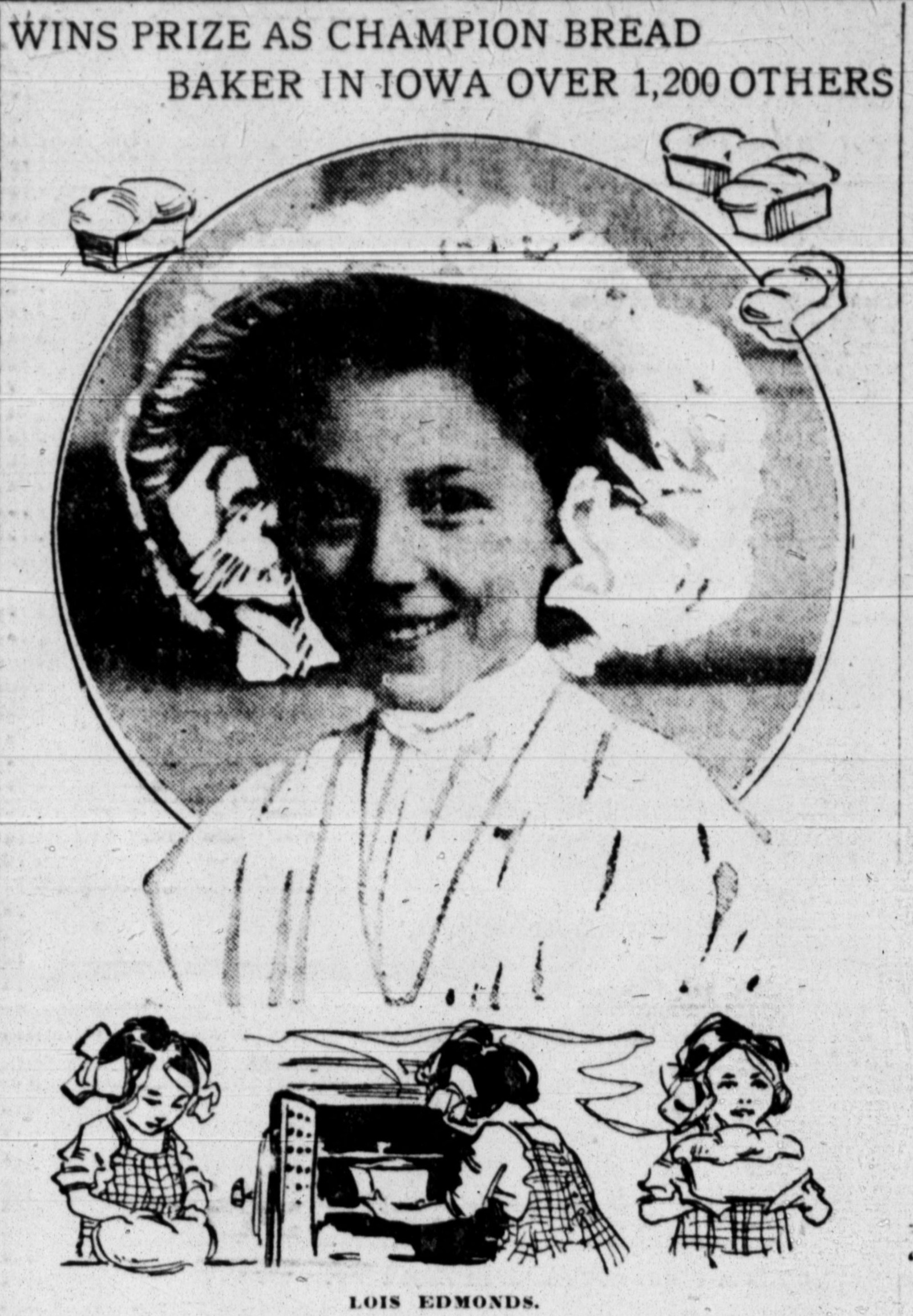
“Wins Prize as Champion Bread Baker in Iowa Over 1,200 Others,” with drawings of Lois kneading, baking and holding her loaf. The Detroit Times, Detroit, Michigan, February 9, 1912, page 4. Library of Congress, Chronicling America. Click the picture to see it full size.
Back home in Page County
Iowa remembered her. In July 1913 the Audubon County Journal reported a new honor for the girl who had won the state breadmaking championship and a trip to call on President Taft. She was one of five small guests at a Chautauqua house party in Shenandoah, another Page County town.
She never got into the White House kitchen. Her mother had already told the Washington Times what really won the prize. “Really, though, the thing that won the prize was the girl,” Mrs. Edmonds said. The girl kept turning her loaf until it was the same nice brown on all sides.
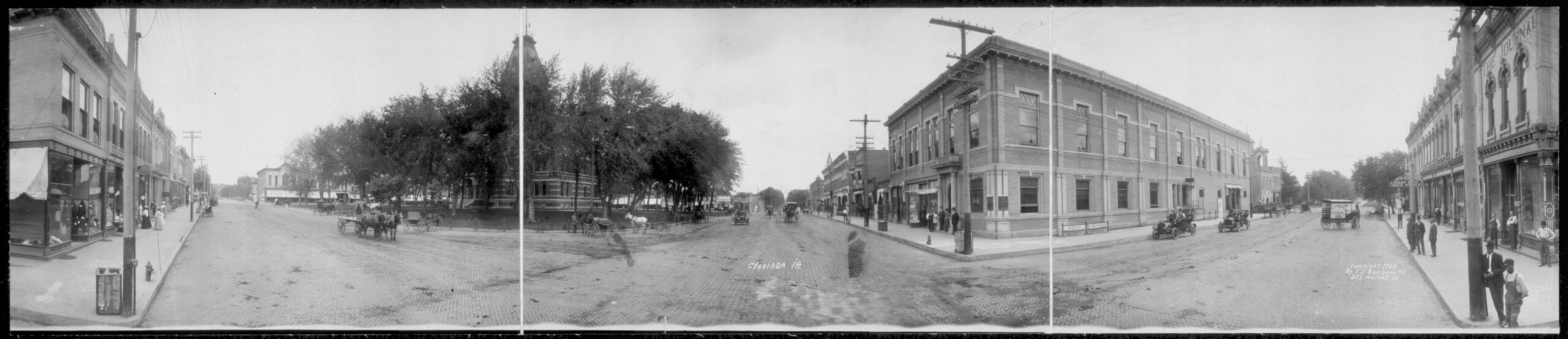
Clarinda, Iowa, about 1908: brick streets around the town square. Panoramic photograph by F. J. Bandholtz. Library of Congress, Prints and Photographs Division, no known restrictions on publication. Click the picture to see it full size.
Sources
- The Washington Times (Washington, D.C.), February 3, 1912, page 14 (“Girl Barred From Cooking in White House for Taft”) and February 6, 1912, page 3 (the recipe, “Prize Bread Baker of Hawkeye State Tells Her Recipe” and “Penny Lunch May Throw Light Upon High Food Prices”).
- Evening Star (Washington, D.C.), February 2, 1912, page 2 (“Young Iowa Corn Raisers Here” and “Best Bakers of Bread; Growers of Fine Corn”).
- Evening Times-Republican (Marshalltown, Iowa), January 31, 1912, page 5.
- The Detroit Times (Detroit, Mich.), February 9, 1912, page 4 (“Happy Lois Edmonds Bakes Bread and Wins Fame as Iowa’s Champion”).
- Decorah Public Opinion (Decorah, Iowa), February 14, 1912, page 1.
- Audubon County Journal (Exira, Iowa), July 31, 1913, page 6.
- Newspaper images from the Library of Congress, Chronicling America. Published 1912 and 1913, public domain.
- Clarinda panorama: F. J. Bandholtz, “Clarinda, IA,” about 1908, Library of Congress, Prints and Photographs Division, no known restrictions on publication.
- Cover: “Young Iowa Corn Raisers Here,” Iowa’s prize-winning boys and girls with their party in Washington; the girl in the white dress and wide hat matches the paper’s portrait of Lois Edmonds. Evening Star, Washington, D.C., February 2, 1912, page 2 (cropped). Library of Congress, Chronicling America.