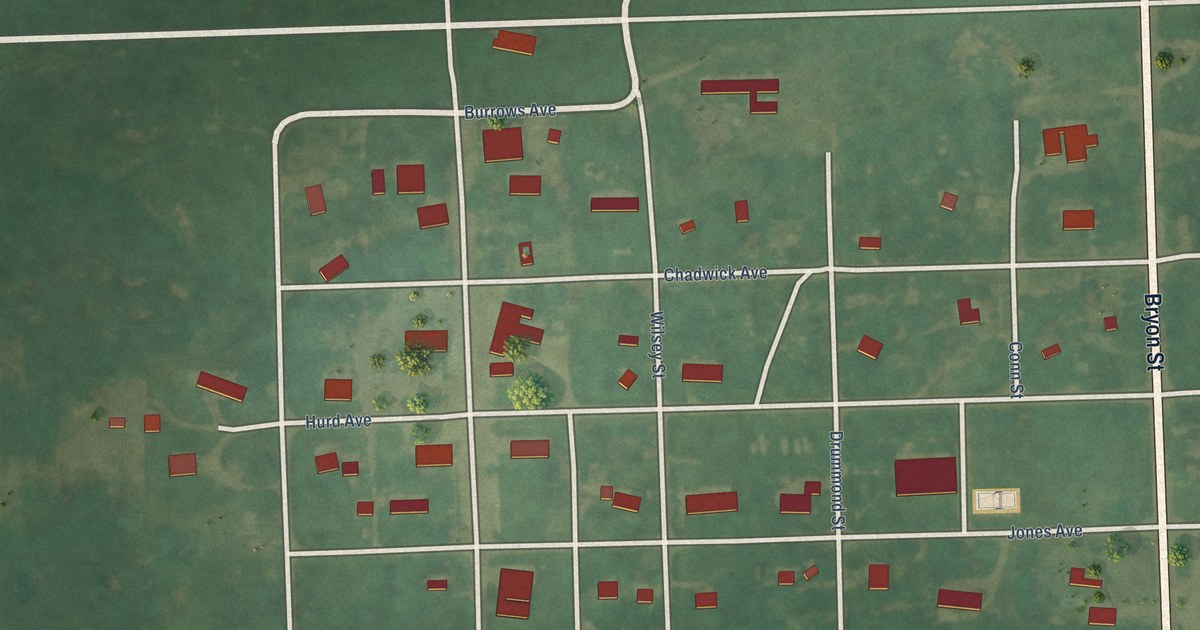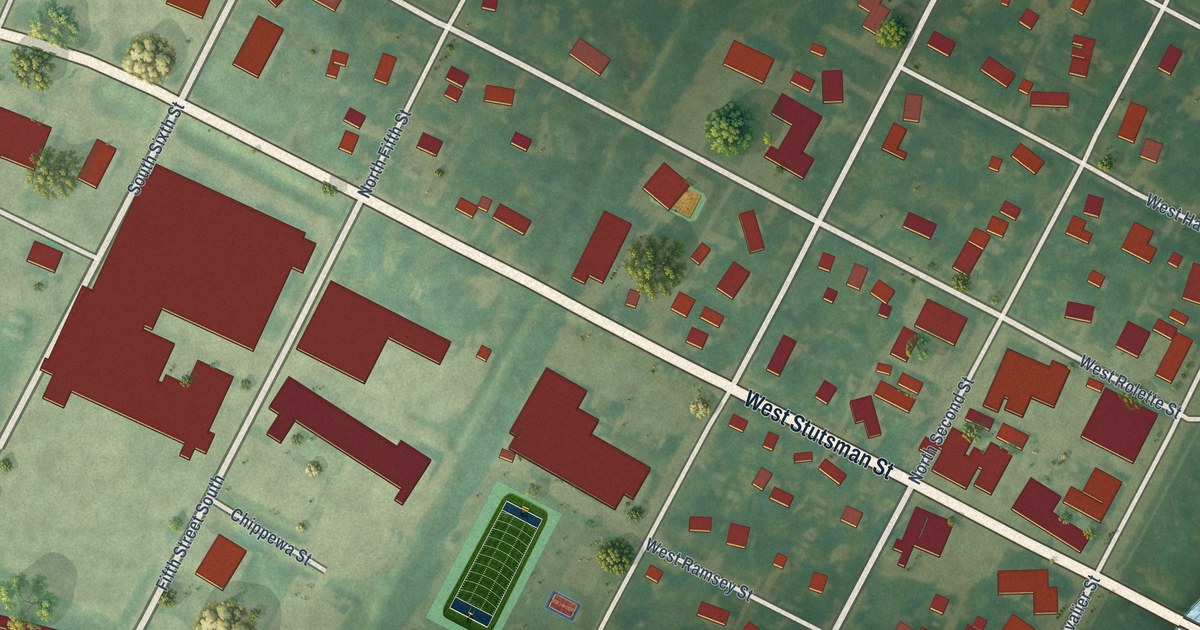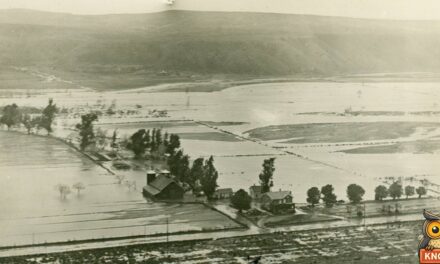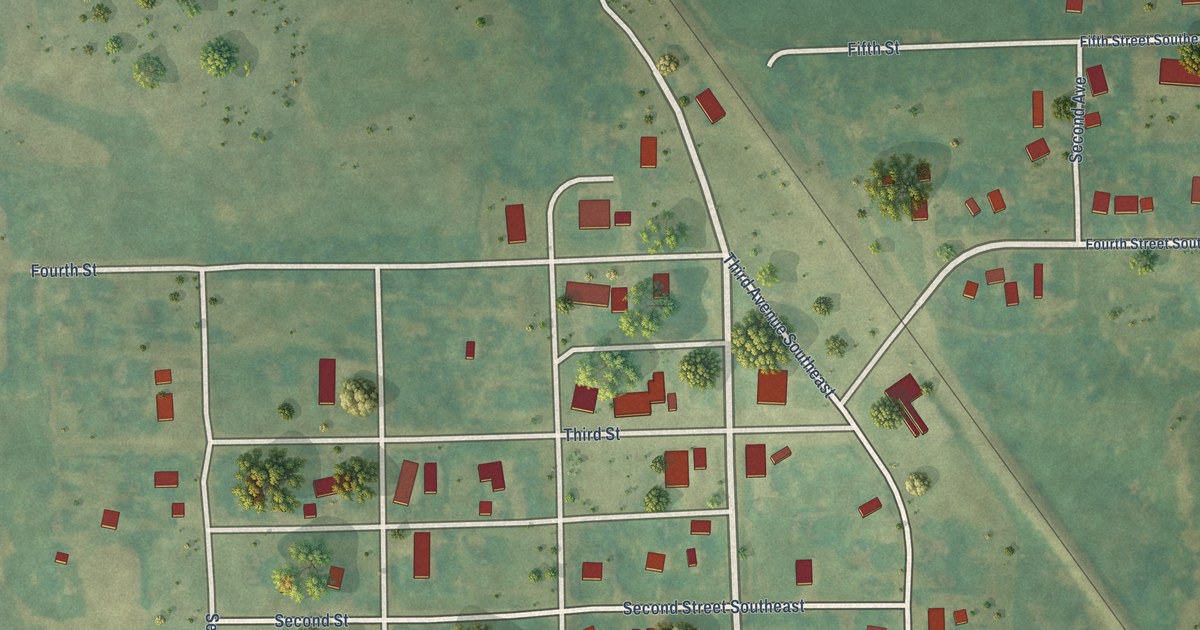
In the second week of September 1918, the threshing machines were running all over Burke County, North Dakota. At Coteau, a small village on the Great Northern Railway, the harvest took the whole section crew, the men who kept the railroad’s track near town in repair. So the young women of the village volunteered, and the section foreman took three of them: Ida Hendrickson, 16, Mary Burmoth, 17, and Stella Alvin, 19. They drew a regular section hand’s pay of $3 a day. Coteau, the Fargo Forum said, had “a trio of patriotic young girls who are going the limit for democracy.”
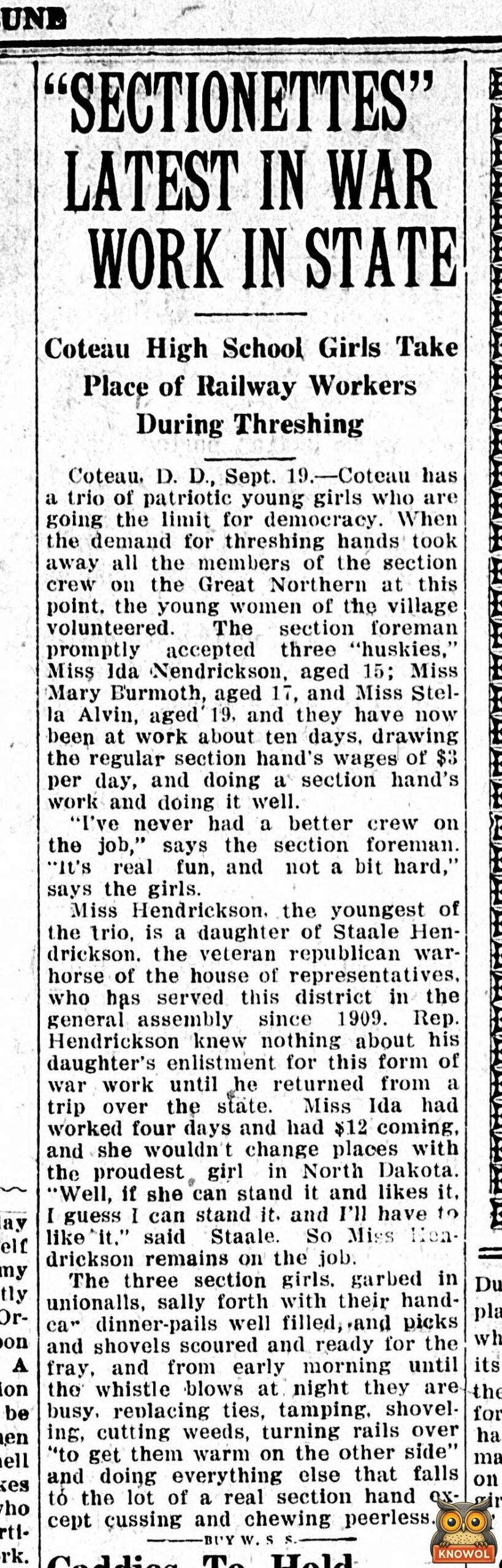
“‘Sectionettes’ Latest in War Work in State,” the Bismarck Tribune, Bismarck, North Dakota, September 19, 1918, page 3. Library of Congress, Chronicling America. Click the clipping to read it full size.
“Not a bit hard”
By September 19 the girls had been on the job about ten days, and the Bismarck Tribune gave them a headline: “Sectionettes.” “I’ve never had a better crew on the job,” the foreman said. “It’s real fun, and not a bit hard,” said the girls.
The Tribune followed them out to the track. The three went to work “garbed in unionalls,” a kind of work coverall, with their dinner pails well filled and their picks and shovels scoured. From early morning until the whistle blew at night they replaced ties, tamped, shoveled and cut weeds. The writer slipped in an old railroad joke, that they were also “turning rails over ‘to get them warm on the other side,'” and said they did everything a real section hand did “except cussing and chewing peerless.” Peerless was a popular brand of chewing tobacco.
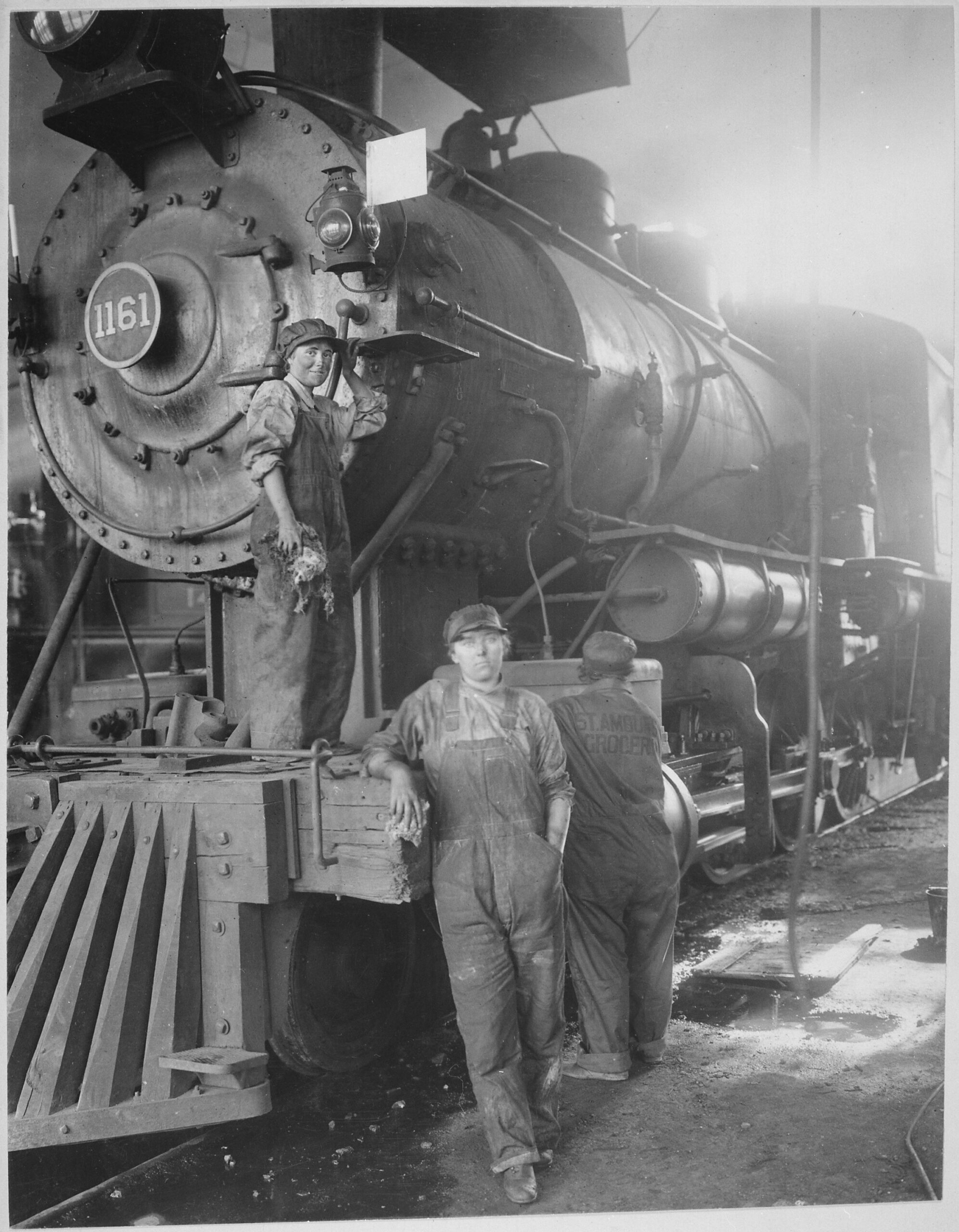
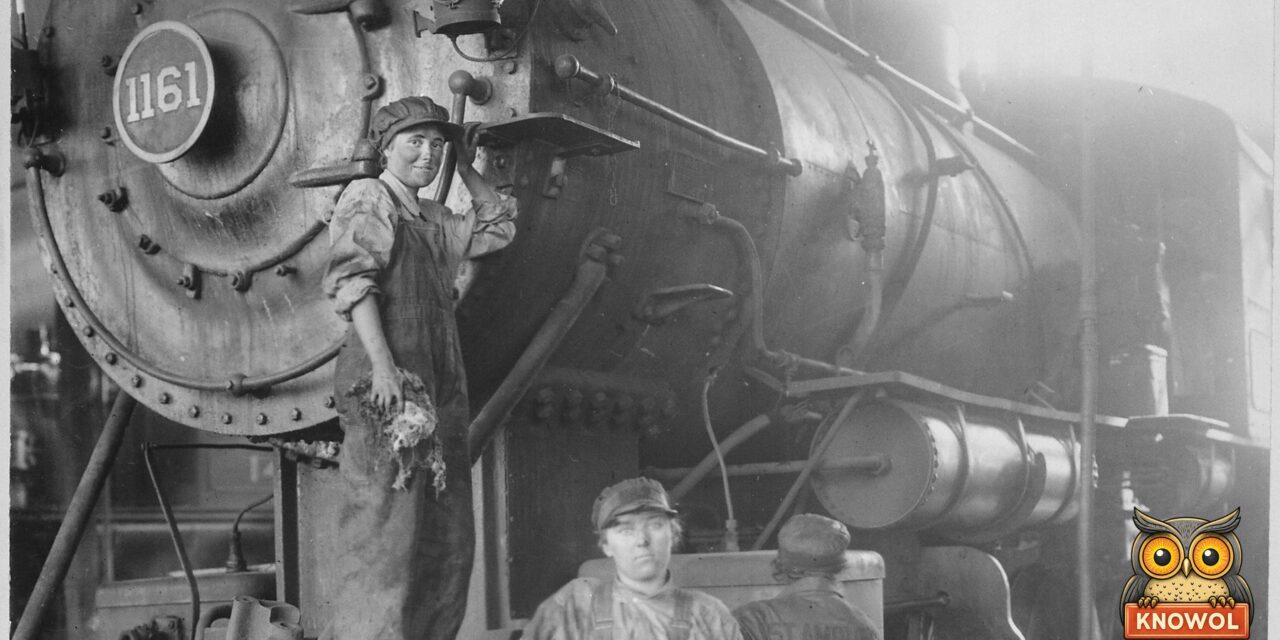
Women taking the places of men on the Great Northern Railway at Great Falls, Montana, about 1918, the same railroad that ran through Coteau. These women are cleaning a locomotive, not working on the track. U.S. National Archives (533760), public domain. Click the picture to see it full size.
North Dakota stores were selling work clothes for women that summer. In August, a store in Devils Lake told readers it was “the place where you can buy Women’s Unionalls or Overalls,” and called them “just the thing for working, comfort and economy.”
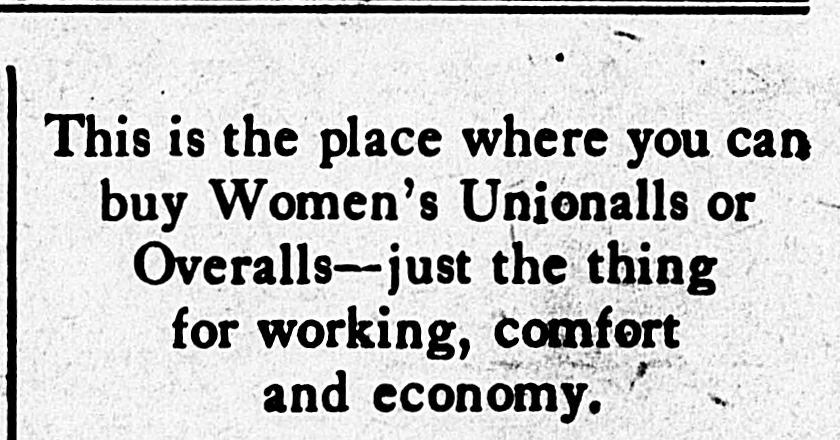
A store advertisement in the Devils Lake World and Inter-Ocean, Devils Lake, North Dakota, August 7, 1918. Library of Congress, Chronicling America. Click the picture to see it full size.
The legislator’s daughter
Ida was the youngest of the three (the Bismarck paper made her 15). Her father, Staale Hendrickson, was a Norwegian immigrant who kept a store in Coteau, and a Republican who had served in the state House of Representatives in 1909 and again from 1913 to 1917, according to his papers at North Dakota State University. He was away on a trip around the state when his daughter signed on and didn’t hear about it until he got home. By then she had worked four days and had $12 coming, and, the Tribune said, “she wouldn’t change places with the proudest girl in North Dakota.”
Her father gave in. “Well, if she can stand it and likes it, I guess I can stand it, and I’ll have to like it,” he said. Ida stayed on the job.
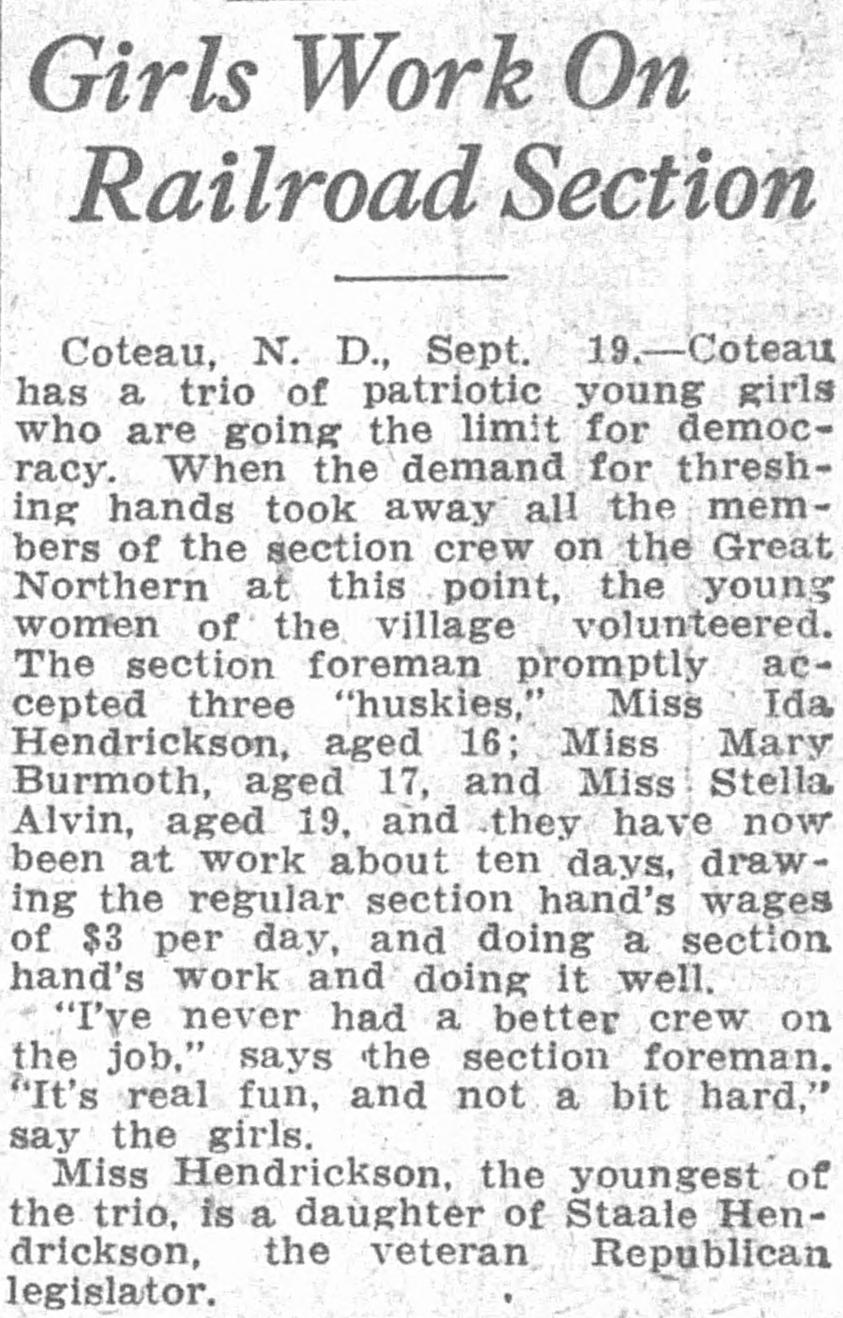
“Girls Work On Railroad Section,” the Fargo Forum and Daily Republican, Fargo, North Dakota, September 19, 1918, page 8. Library of Congress, Chronicling America. Click the clipping to read it full size.
The harvest of 1918
The Coteau girls weren’t the only ones. With young men leaving for the army and the rest out threshing, North Dakota leaned on its daughters that fall. A neighborhood correspondent for the Bowbells Tribune reported that several local girls were hauling bundles to the threshing machine and getting along just fine. In Jamestown, the high school held a free two-day school in August for “girls and women who are going out to cook for the threshing crews,” where they learned to make the wartime “substitute breads.” The Hope Pioneer said the three girls from Coteau had “set a new record for feminine industrial enterprise in this state.”
What three dollars bought
In December the Bowbells Tribune printed Burke County’s wartime food prices, set by committee, “the maximum prices to be charged for cash and carry service,” and told readers to “report all overcharges to County Food Administrator S. Hendrickson, Coteau, N. D.,” almost certainly Ida’s father, whose papers include a certificate of appreciation from the U.S. Food Administration. By that list, one day of section work bought a 49-pound sack of wheat flour for $3.00, or thirty loaves of Victory bread at 10 cents a loaf. Bulk sugar was 11 1/2 cents. Shoppers were even asked to skip the wrapping paper: “Save this expense by taking your parcels unwrapped.”
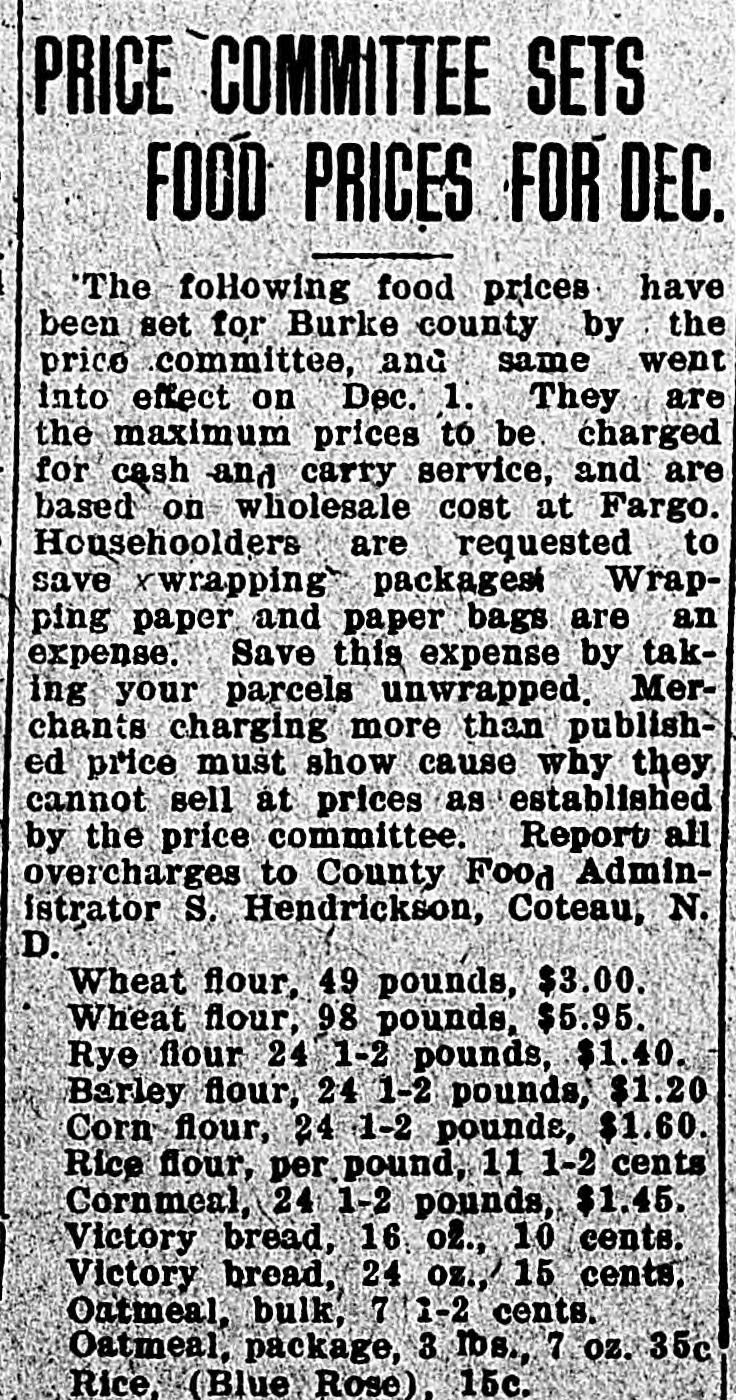
“Price Committee Sets Food Prices for Dec.,” the Bowbells Tribune, Bowbells, North Dakota, December 6, 1918, page 1. Library of Congress, Chronicling America. Click the clipping to read it full size.
Back to school
The threshing season didn’t last. On October 8, Staale Hendrickson was in Fargo, and he told the Forum that threshing in his part of the state was about finished. The papers don’t say when the men came back to the section. Then the Spanish flu reached Burke County. “The epidemic of the Spanish influenza has been very bad here,” the Coteau column reported, “but everyone who has had it are well again.” When the schools opened at the start of December, the same column carried one more line about Ida: “Lisa Sorlie and Ida Hendrickson are again attending school in Bowbells. The school had been closed for seven weeks on account of the flu.”
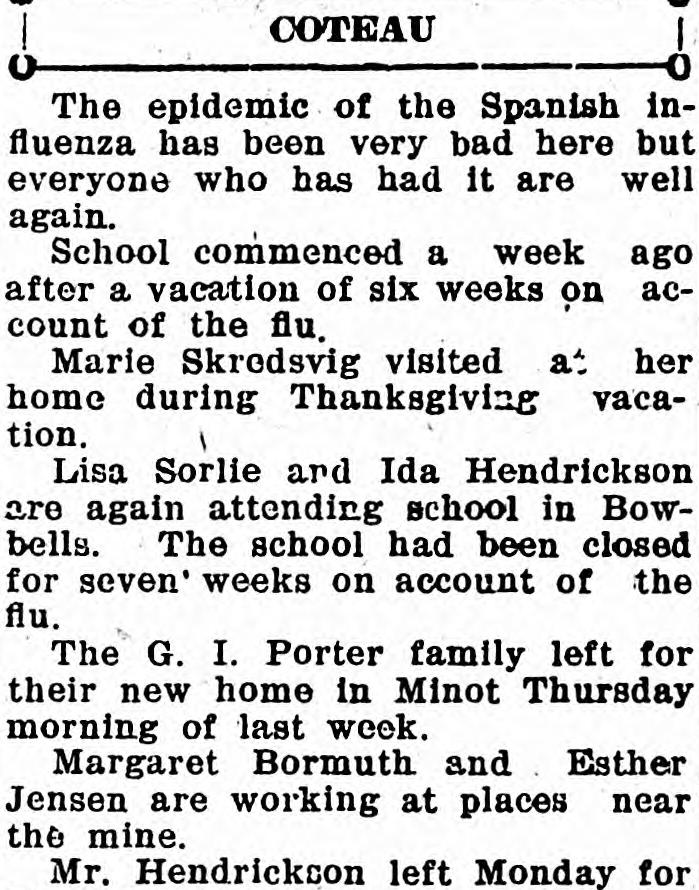
The Coteau column, the Bowbells Tribune, Bowbells, North Dakota, December 6, 1918, page 3. Library of Congress, Chronicling America. Click the clipping to read it full size.
Sources
- The Bismarck Tribune (Bismarck, N.D.), September 19, 1918, page 3 (“‘Sectionettes’ Latest in War Work in State”).
- The Fargo Forum and Daily Republican (Fargo, N.D.), September 19, 1918, page 8 (“Girls Work On Railroad Section”) and October 8, 1918, page 2 (Hendrickson in Fargo, threshing about completed).
- The Bowbells Tribune (Bowbells, N.D.), September 13, 1918, page 2 (girls hauling bundles), September 27, 1918, page 1 (the Fargo Forum story reprinted), December 6, 1918, page 1 (food prices) and page 3 (Coteau column).
- The Hope Pioneer (Hope, N.D.), October 3, 1918, page 3.
- Jamestown Weekly Alert (Jamestown, N.D.), August 15, 1918, page 5 (“Free School for Threshing Crew Cooks”).
- The Devils Lake World and Inter-Ocean (Devils Lake, N.D.), August 7, 1918, page 8 (women’s unionalls advertisement).
- Staale Hendrickson Papers (Mss 839), Institute for Regional Studies, North Dakota State University Archives: biography, House service in 1909 and 1913 to 1917, the Coteau store, and the U.S. Food Administration certificate.
- All newspaper images: Library of Congress, Chronicling America. No known copyright restrictions.
- Photograph: “Women taking place of men on Great Northern Railway at Great Falls, Montana, circa 1918,” U.S. National Archives (NAID 533760, War and Conflict Number 543), via Wikimedia Commons. Public domain.
- Cover: Women taking the place of men on the Great Northern Railway at Great Falls, Montana, about 1918 (cropped). U.S. National Archives (NAID 533760), public domain.