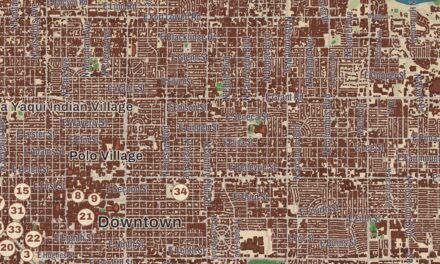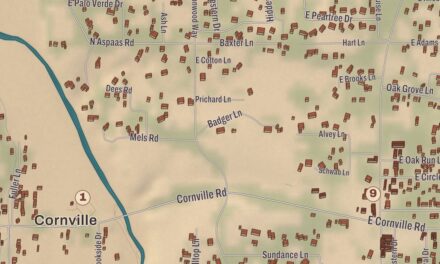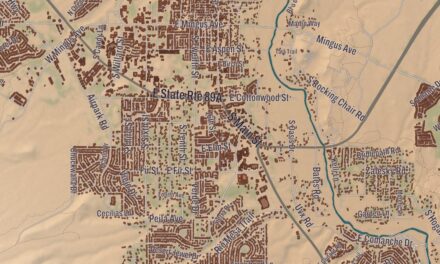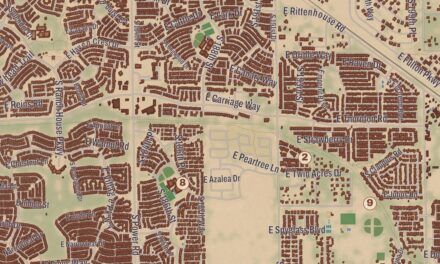
In their own language the Yaqui call themselves Hiaki or Yoeme, their word for a person, and the river of their homeland is Yoem Vatwe. This map prints the Pascua Yaqui Tribe Multipurpose Justice Center, Torim Park, Casino Del Sol, Sewailo Golf Club, Hiaki High School & Tribal Library and the Anselmo Valencia Tori AVA Amphitheater, with Saginaw Hill giving shape to the land.
The Pascua Yaqui Reservation lies in Pima County, in the southwestern part of the Tucson metropolitan area.
KNOWOL made this map in 2026 and gave it the look of an old atlas. The shaded relief of Saginaw Hill comes from United States Geological Survey elevation data, and the streets were drawn from Census Bureau files. The reservation covers 1,194 acres amid Drexel Heights and Valencia West, next to the San Xavier Indian Reservation, the eastern section of the Tohono O’odham Indian Reservation, and the Pascua Yaqui Tribe of Arizona is the only federally recognized Yaqui tribe in the United States.
From the Yaqui River to Tucson
The Yaqui homeland, Hiakim, is the Río Yaqui valley in Sonora, Mexico, where there are eight Yaqui pueblos today. In ancient times Yaqui families lived along the river and north to the Gila, gathering desert foods, hunting and growing corn, beans and squash, and they traded foods, furs, shells and salt with many other peoples. The Jesuits who came at the Yaqui’s own invitation in 1617 persuaded them to settle in eight towns, among them Tórim and Vícam, and the Yaqui wove Catholic rituals and saints into their own beliefs. The Pascua Yaquis descend from refugees who fled Mexico between 1887 and 1910, when the Mexican government waged war on the Yaqui Nation and deported Yaquis by force.
In Arizona the refugees founded Yaqui barrios in Tucson, Marana, Guadalupe and Scottsdale, and they re-established their traditional ceremonies, most of all the Lenten ceremonies that reenact the passion and resurrection of Jesus. The Pascua community takes its name from pascua, Spanish for Easter, and the Easter ceremonies feature the deer dancer, the most enduring symbol of the Yaquis in America. The deer song, maso bwikam, goes with the dance, and in Yoeme belief the deer dances in the flower world, sea ania, which can be reached through the deer dance. Yaqui teaching says flowers sprang from the drops of blood shed at the crucifixion, and a Yaqui man may greet a close friend with Haisa sewa?, “How is the flower?” In 1923 a retired teacher, Thamar Richey, persuaded Tucson to open a public school for Yaqui children, and Barrio Pascua near downtown Tucson became a center of Yaqui life in Arizona.
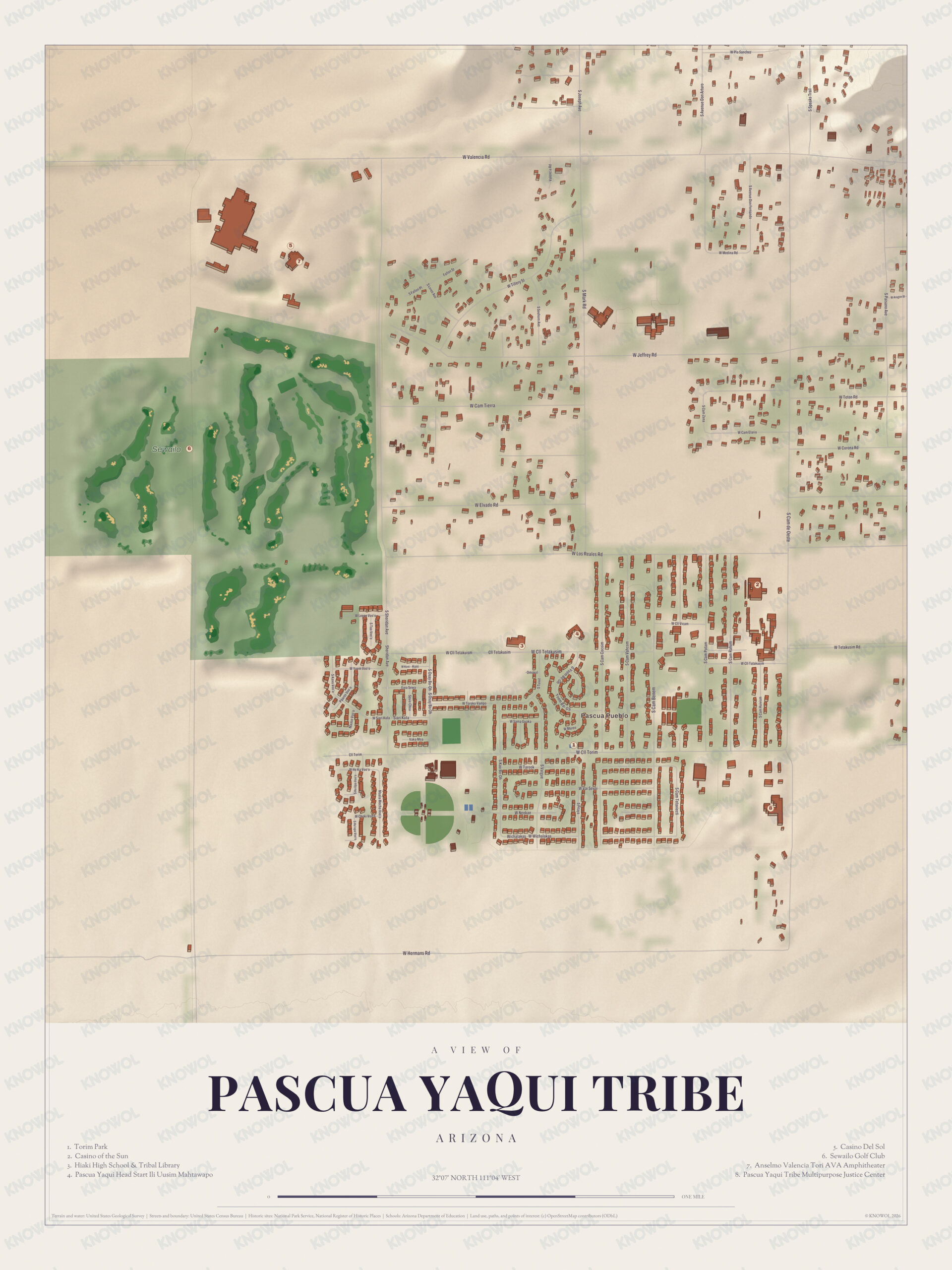
Click to explore a larger preview. The digital watermark does not appear on printed maps.
Names on this map
These names are printed on this map.
Streets and roads: W Valencia Rd, W Medina Rd, W Jeffrey Rd, W Cam Tierra, S Joseph Ave, Valencia Rd, W Teton Rd, S Paisano Ave, Sheridan Ave, W Elvado Rd, Los Reales Rd, W Sama Guaka.
More street names, A to Z
Cam de Oeste, S Cam Cocoim, S Cam Huivism, S Cam Vahcom, Sevie Choa, S Osay Bo Oh, S Sheridan Ave, W Corona Rd, W Hermans Rd, W Tetakusim Rd.
Anselmo Valencia’s vision
After World War II a Yaqui veteran, Anselmo Valencia, came home to Pascua determined to fight for his people’s rights as American citizens and as indigenous Americans. In 1955 he founded the San Ignacio Club to work for the community, and in 1962, while gathering wild herbs in the desert southwest of Tucson, he had a vision that his people would one day move there. With anthropologist Edward Spicer, Geronimo Estrella and Yaquis including Felipa Suarez, Gloria Suarez, Joaquina Garcia and Raul Silvas, he started the Pascua Yaqui Land Development Project, and that year the Yaquis formed the Pascua Yaqui Association, which grew into today’s tribal government. In 1964 Congressman Morris K. Udall’s bill transferred the desert land to the Pascua Yaqui Association, and with federal funds the Pascua Yaquis built roads, named for historic Yaqui communities in Mexico and cultural heroes, put in utilities and raised community buildings at New Pascua. On September 18, 1978, the law introduced by Senator Dennis DeConcini gave the tribe full federal recognition, self-government and reservation status, and the tribe’s first constitution followed in 1988.
Casino Del Sol opened in October 2001, and with it the Anselmo Valencia Tori Amphitheater, a concert stage for about 4,500 to 5,000 people named for the veteran who led the association. The tribe’s courts, prosecutor, public defender and police work from the Multi-Purpose Justice Center, opened in 2012, and in 2014 the tribe was one of three chosen nationwide for a pilot project letting tribal courts use new jurisdiction under the Violence Against Women Act. The tribe offers Pre-K to 12 education, the Dr. Escalante Tribal Library and the Huya Miisim Microcampus with the University of Arizona, and in 2009 the tribal council and the university set up a program in which tribal elders teach the Yaqui language, Yoem Noki, to families. Herminia Frias became the youngest person and the first woman tribal member to chair the tribe. Torim Park and Sewailo Golf Club have their places on the sheet too.
This map of the Pascua Yaqui Tribe is a good addition to an office, library or den, and it can help teach children the geography and history of the area. It’s made for anyone who calls Pascua Yaqui Tribe home, and KNOWOL created it in 2026 to show the land as it looks today. Zoom in on the preview above to explore the details, then click here to get your copy of the Pascua Yaqui Tribe map.

Sources