In 1918, Three North Dakota Schoolgirls Took Over the Railroad Track Crew
In September 1918, three girls in Coteau, North Dakota, took over the Great Northern’s section crew for $3 a day. What the old papers said about them.

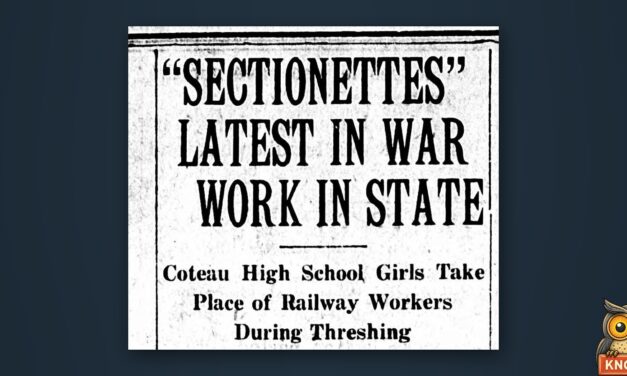
In September 1918, three girls in Coteau, North Dakota, took over the Great Northern’s section crew for $3 a day. What the old papers said about them.
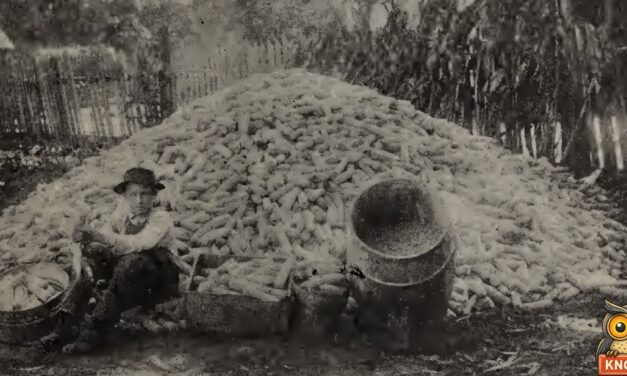
In 1910, 15-year-old Jerry Moore of Winona, South Carolina, grew 228 bushels of corn on one acre and was named the world’s champion boy corn grower.
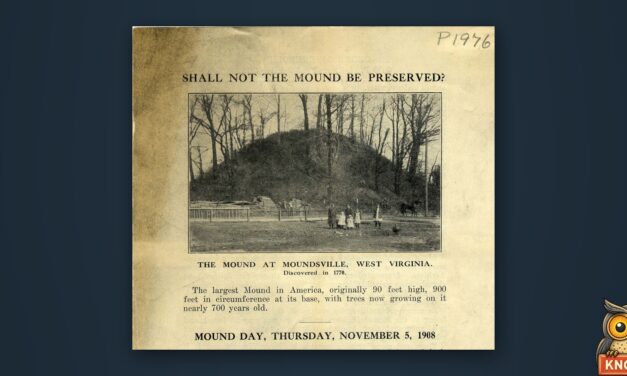
On Mound Day, November 5, 1908, West Virginia schoolchildren gave nickels to save the Grave Creek Mound in Moundsville from becoming building lots.

In March 1916, Elmer Thompson and Gertrude Barton ran off near Muskogee, Oklahoma. With her father close behind, a justice married them by telephone.
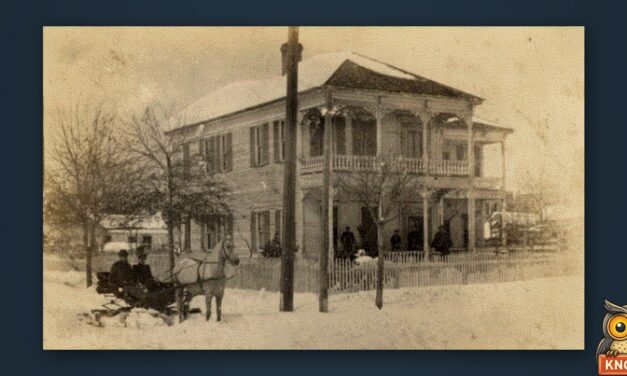
On Valentine’s Day 1895, a foot of snow fell on Opelousas, Louisiana, and a clergyman led a snowball army from Landry street against Main street.
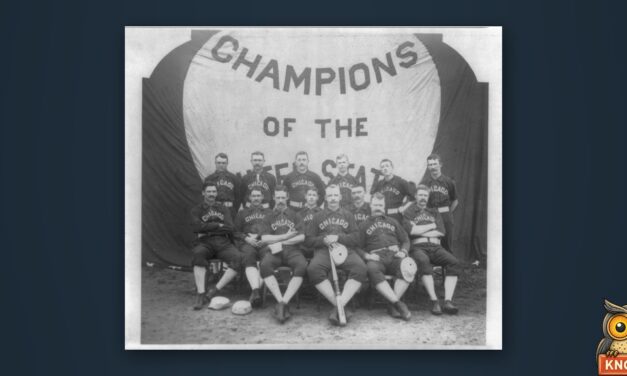
In 1886 the Chicago club took the baths at Hot Springs, Arkansas, under a pledge not to drink. That summer Spalding had detectives follow them.
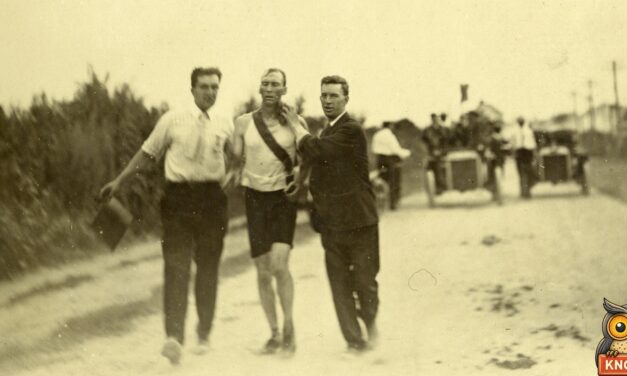
In the 1904 St. Louis Olympic marathon, the first man home had ridden in a car, and the winner was kept going with strychnine and egg whites.
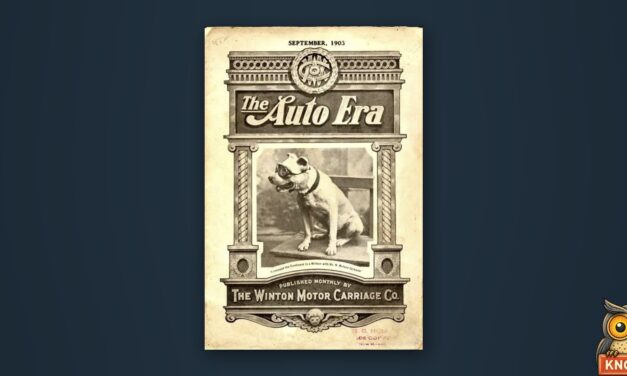
In 1903, Dr. Horatio Nelson Jackson of Burlington, Vermont, made the first drive across America, with a mechanic and Bud, a bulldog in goggles.
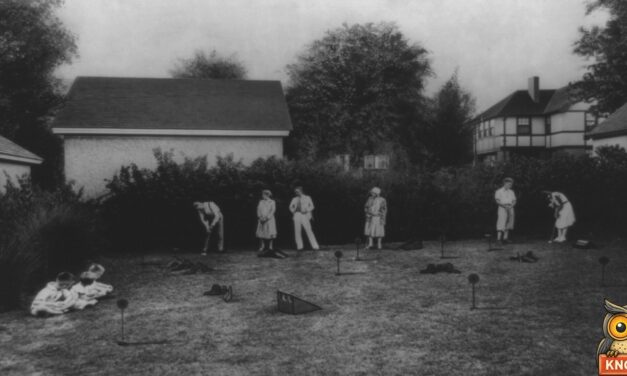
Garnet Carter’s putting course at Fairyland on Lookout Mountain started the 1930 miniature golf craze. What a round cost and how he sold out.

A 1938 radio play landed Martians at Grovers Mill, New Jersey. What the next day’s papers said, and why the panic was smaller than the headlines.
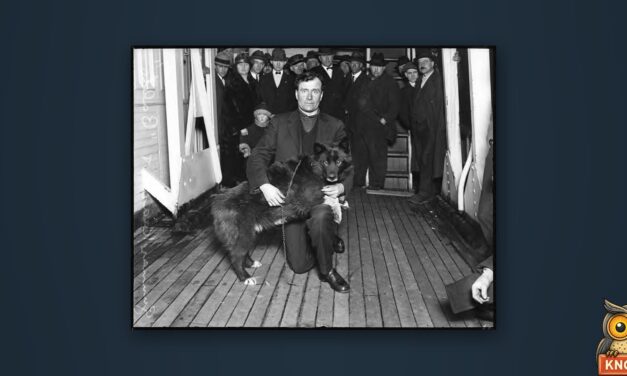
In 1925, 20 dog teams relayed diphtheria serum about 675 miles to Nome, Alaska. Balto led the last run through a blizzard. What the Nome Nugget reported.
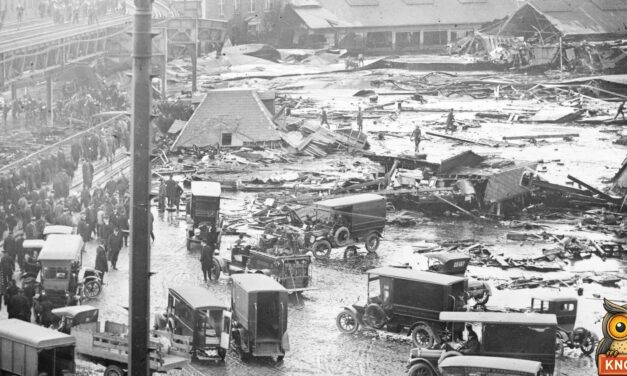
On January 15, 1919, a molasses tank on Boston’s waterfront burst and flooded the North End, killing 21 people. What the papers reported, then and in 1925.
