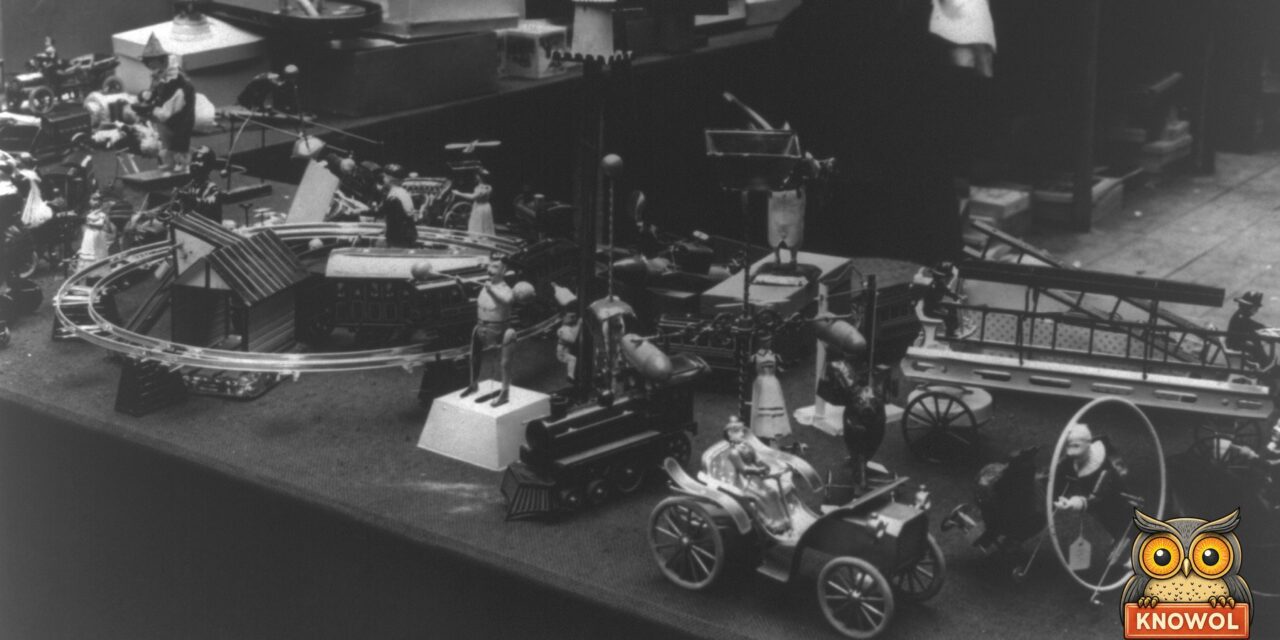
The church ladies of Pendleton, Oregon, had a money problem. They had promised to raise $2,250 to help pay off their church’s debt, and the money came in slowly. So their president, Mrs. D. B. Waffle, made them a promise of her own. She said it as a joke. Years later, she kept it anyway, with toy trains, toy autos, a poem and a band.
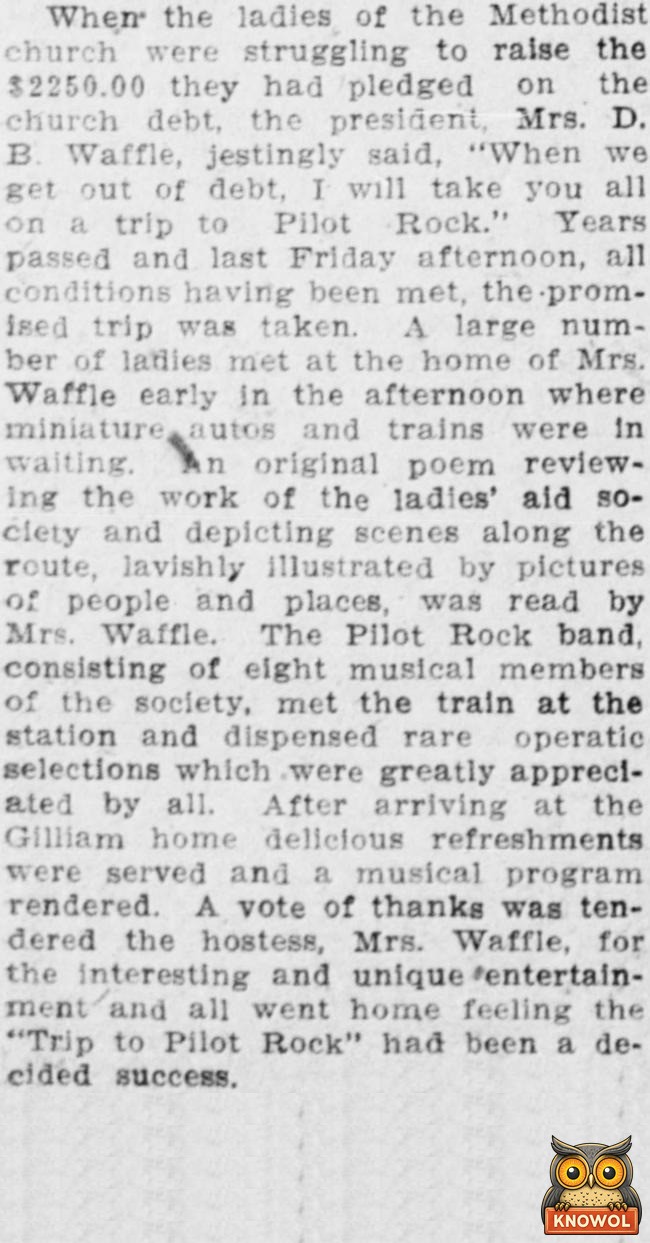
The trip to Pilot Rock, on the society page of the East Oregonian, Pendleton, Oregon, April 23, 1910, page 2. Library of Congress, Chronicling America. Published 1910, public domain. Click the clipping to read it full size.
The East Oregonian, Pendleton’s daily paper, told the whole thing in one long paragraph on its society page in April 1910. That’s the page where the paper listed parties, card games and club meetings. Most of the items on it were lists of names. This one had a story.
A Joke Promise in Pendleton
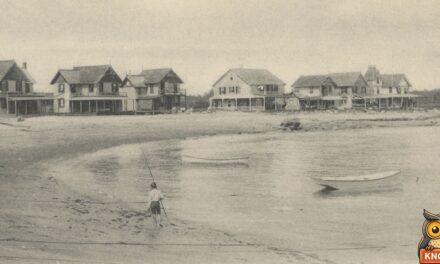
The women in this story belonged to the ladies’ aid society of the Methodist church in Pendleton. A ladies’ aid society was a church club for women. They held suppers, sales and socials, and they gave the money to the church.
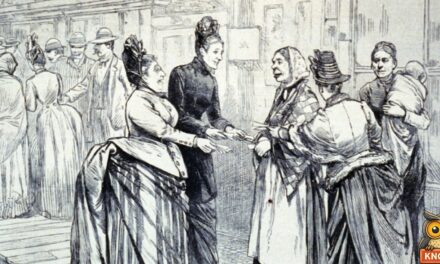
The paper said the ladies “were struggling to raise the $2250.00 they had pledged on the church debt.” To pledge money is to promise it ahead of time and pay it later. It was a big number for one church club, and it took years to raise.
So Mrs. Waffle, the club’s president, cheered them on. The paper says she “jestingly said, ‘When we get out of debt, I will take you all on a trip to Pilot Rock.'” Jestingly means as a joke.
Pilot Rock was a real place, a small town south of Pendleton in Umatilla County, Oregon. So the promise was real enough to picture, even if she said it in fun.
Why the Pendleton Methodists Owed Money
The debt went back to a building. In the spring of 1907, Pendleton’s Methodists finished a big new church. The East Oregonian called it the “BEST BUILDING IN EASTERN OREGON.”
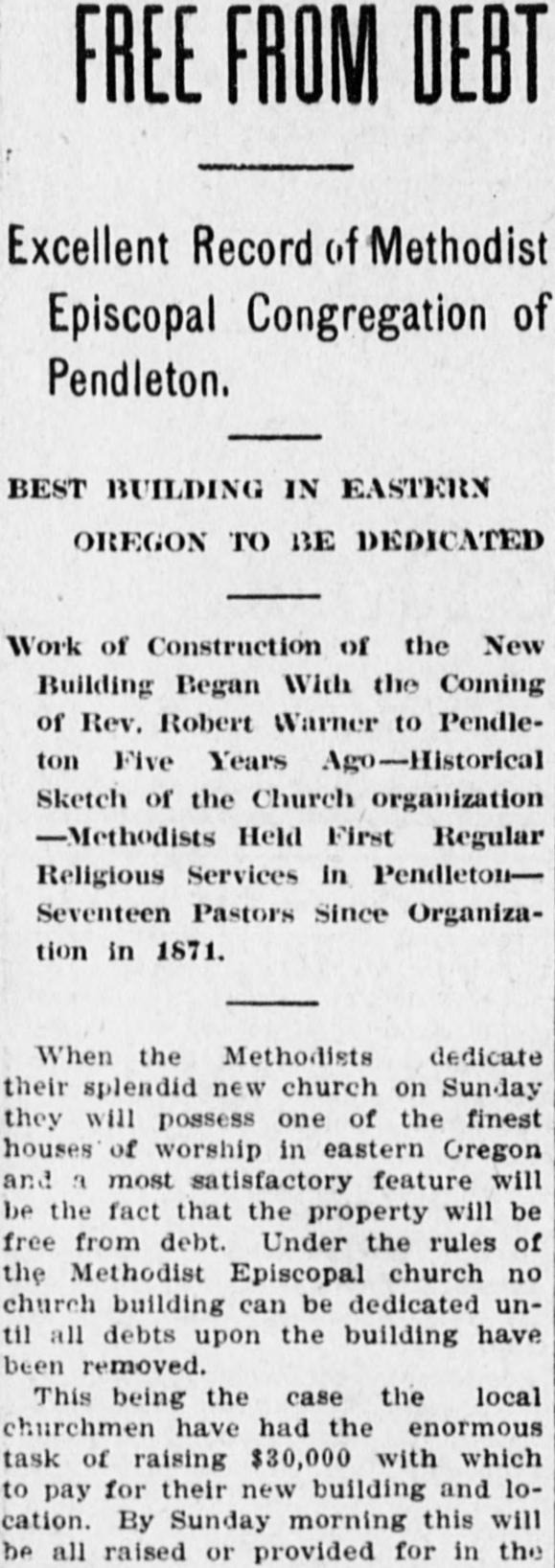
“Free From Debt.” The new Methodist church is ready. East Oregonian, Pendleton, Oregon, May 31, 1907, page 1. Library of Congress, Chronicling America. Published 1907, public domain. Click the clipping to read it full size.
There was a catch. The paper explained that “no church building can be dedicated until all debts upon the building have been removed.” Dedicating a church is the big first service that opens it for good. So the members had the “enormous task of raising $30,000.” Some of that money was cash. The rest was in “contributions not yet paid in full,” which means promises to pay later.
The 1910 paper doesn’t say exactly when the ladies made their $2,250 pledge. But that’s how pledges worked. The church counted on the promise, and the ladies spent the next few years making it good.
The Ladies’ Aid of Pendleton’s Methodist Church
Mrs. Waffle was speaking up for the ladies well before 1910. In March 1908, the men’s club of the same Pendleton church threw a banquet for the ladies’ aid society. More than 100 people came. When it was her turn to speak, Mrs. D. B. Waffle said, “We strive to make the Ladies’ Aid society helpful to all the work of the church.”
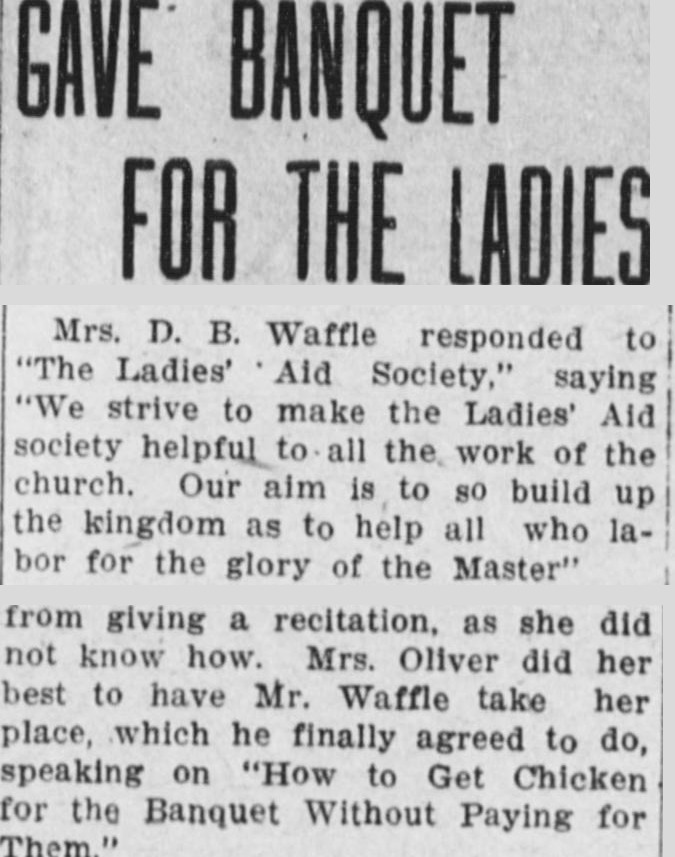
Mrs. Waffle speaks for the ladies’ aid, and Mr. Waffle gives a talk about chicken. East Oregonian, Pendleton, Oregon, March 27, 1908, page 8. Library of Congress, Chronicling America. Published 1908, public domain. Click the clipping to read it full size.
The Waffle family had a sense of humor. At the same banquet, a Mrs. Oliver was asked to give a recitation, and she talked Mr. Waffle into taking her place. His talk had the best title of the night: “How to Get Chicken for the Banquet Without Paying for Them.”
The Day of the Trip to Pilot Rock
Then one spring week in 1910, the money was all in. The paper put it this way: “Years passed and last Friday afternoon, all conditions having been met, the promised trip was taken.” All conditions having been met means the debt pledge was paid.
Mrs. Waffle didn’t hire a wagon or buy train tickets. A large group of ladies came to her house in Pendleton early in the afternoon, and there, the paper said, “miniature autos and trains were in waiting.” Miniature means small. These were toys, like the toy train and tin auto in the photo at the top of this story. The trip to Pilot Rock was going to be a make-believe ride.
Next, Mrs. Waffle read an original poem, one nobody had heard before. It told the story of the ladies’ aid society’s work and showed “scenes along the route.” It had pictures too. The paper said it was “lavishly illustrated by pictures of people and places.” Lavishly means with lots and lots of them.
The Pilot Rock Band Meets the Train
Every good arrival needs music. So when the pretend train pulled into the pretend station, a band was waiting. It was “the Pilot Rock band, consisting of eight musical members of the society.” In other words, eight of the church ladies played the part of the hometown band.
They didn’t play marches. The paper said they “dispensed rare operatic selections which were greatly appreciated by all.” Operatic selections are songs from operas, the fancy kind of music sung in big theaters. Picture eight church ladies playing the welcome band for a train you could hold in your hands.
After the band, the travelers reached a house the paper called “the Gilliam home.” It doesn’t say whose house that was or where it stood. There, the ladies had refreshments and a musical program. Then they gave Mrs. Waffle a vote of thanks, and the paper said “all went home feeling the ‘Trip to Pilot Rock’ had been a decided success.”
What $2,250 Bought in Pendleton in 1910
To see how much work that pledge was, look at the very same newspaper page. It was mostly one big ad for The Peoples Warehouse, a Pendleton department store, having a spring sale.
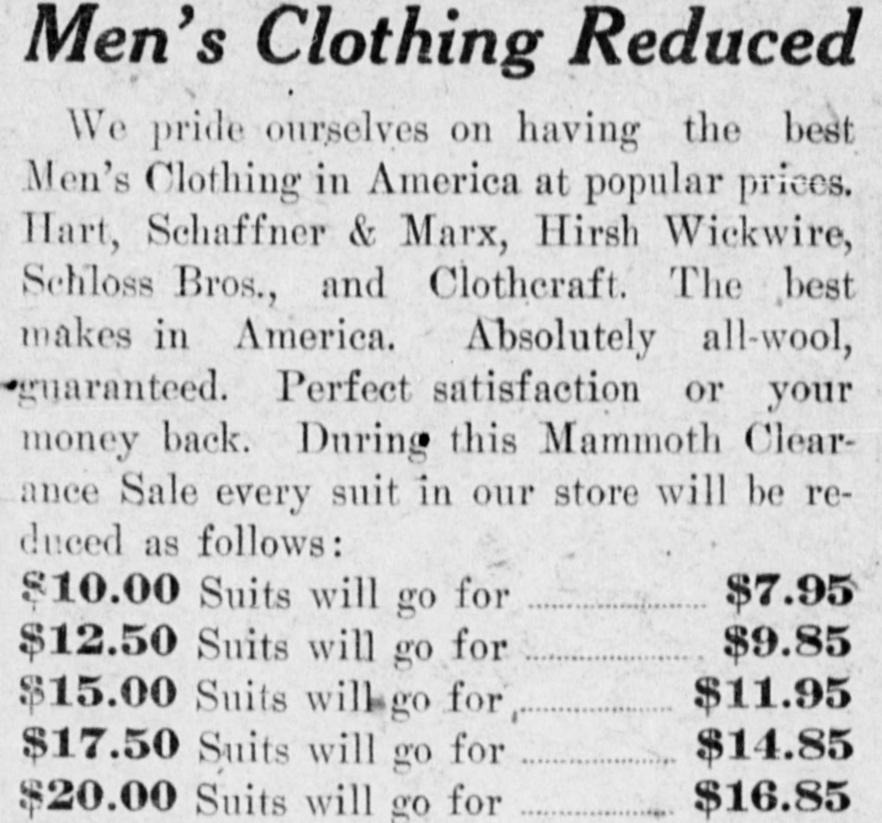
Men’s suits on sale at The Peoples Warehouse, on the same page as the trip to Pilot Rock. East Oregonian, Pendleton, Oregon, April 23, 1910, page 2. Library of Congress, Chronicling America. Published 1910, public domain. Click the clipping to read it full size.
A man’s $10.00 wool suit was on sale for $7.95. Boys’ $2.50 leather shoes were $1.95. The ladies’ $2,250 would have bought about 280 of those sale suits. And the ladies of the Methodist church raised every dollar of it.
A Promise Kept in Pendleton, Oregon
We found the trip to Pilot Rock in just one paper, Pendleton’s East Oregonian, in one paragraph. No other paper we searched told it. The 1907 and 1908 stories show the church, the debt and Mrs. Waffle speaking for the ladies, and they match.
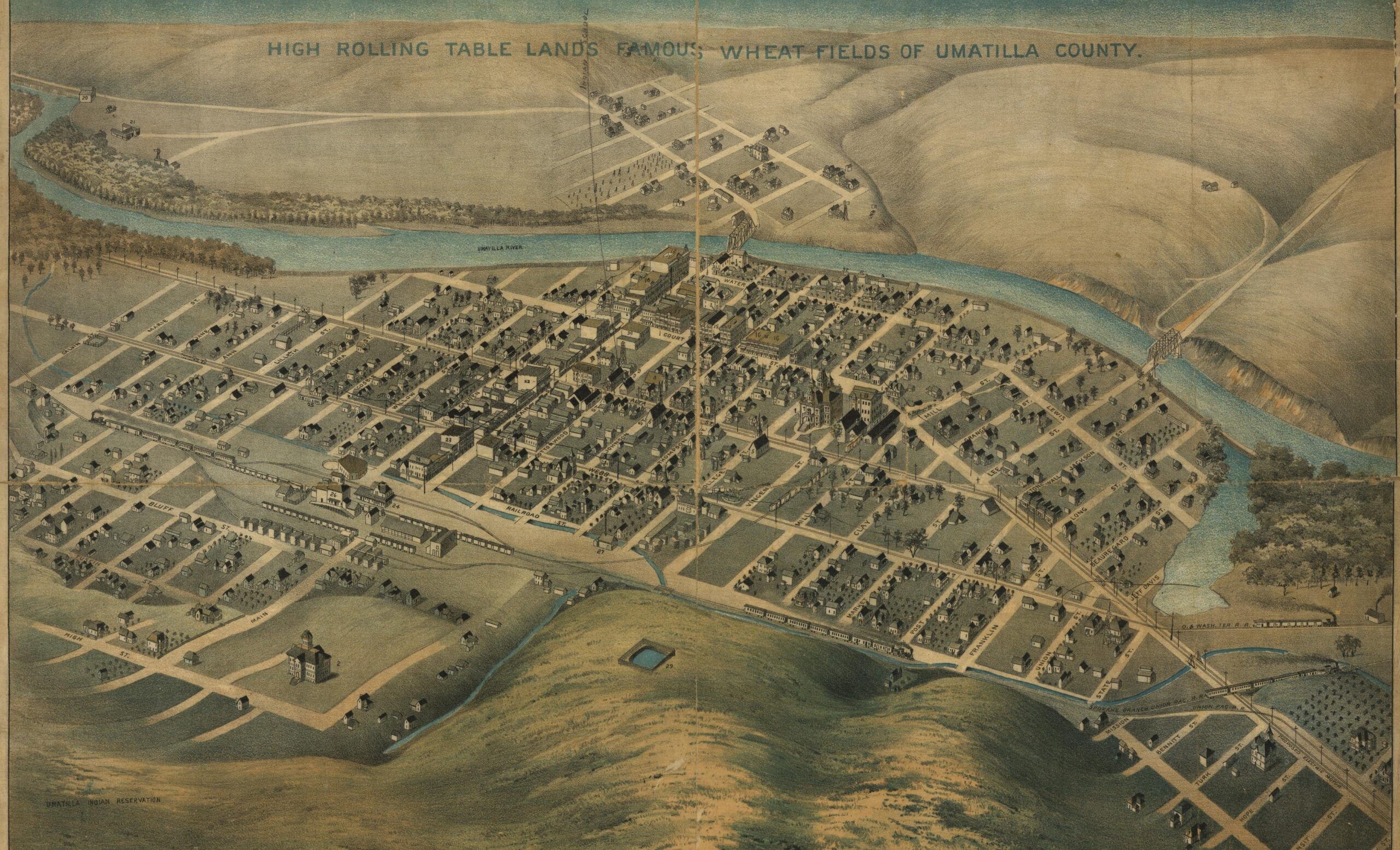
Bird’s eye view of Pendleton, Umatilla County, Oregon, from the 1890s. It was published by the East Oregonian Publishing Company, the same company that printed the paper in this story. Library of Congress, Geography and Map Division. Click the picture to see it full size.
The story shows a group of women in Pendleton who did a long, hard job together. Then the leader who had teased them with a trip found a way to give them one. It was a joke when she said it and a party when she paid it. Mrs. Waffle could have let the old promise slide. Instead she got out the toy trains.
The photo at the top of this story is not from Pendleton. It shows toy trains on a round track, a toy locomotive, a tin toy automobile and a toy fire ladder truck at a toy show in New York City, from the Bain News Service, taken sometime between about 1910 and 1920. Toys like these were the “miniature autos and trains” of that time.
Sources
- The trip to Pilot Rock (society page). East Oregonian, Pendleton, Oregon, April 23, 1910, page 2. Library of Congress, Chronicling America
- “Free From Debt.” East Oregonian, Pendleton, Oregon, May 31, 1907, page 1. Library of Congress, Chronicling America
- “Gave Banquet for the Ladies.” East Oregonian, Pendleton, Oregon, March 27, 1908, page 8. Library of Congress, Chronicling America
- Bird’s eye view of Pendleton, Umatilla County, Ore., East Oregonian Publishing Co., 1890s. Library of Congress, Geography and Map Division
- Cover: “Toy show, New York City,” Bain News Service, about 1910 to 1920. Library of Congress, Prints and Photographs. No known restrictions on publication.
- Newspaper pages printed in 1907, 1908 and 1910 are in the public domain.