When Flying Was Brand New, a San Antonio, Texas, Newspaperman Went Up to Tell How It Felt
In April 1910, San Antonio, Texas, newspaperman Frank Tillman rode in a flying machine, then told the town how it felt. He could not look down.

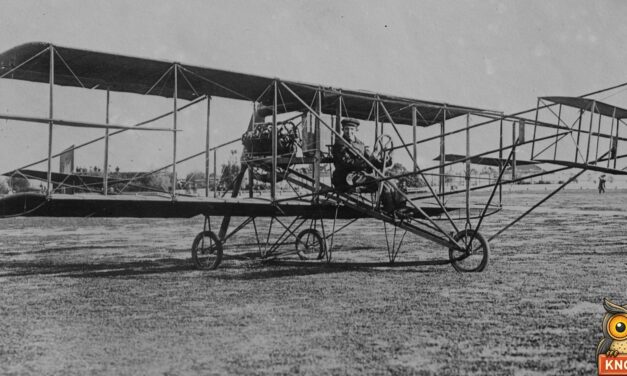
In April 1910, San Antonio, Texas, newspaperman Frank Tillman rode in a flying machine, then told the town how it felt. He could not look down.
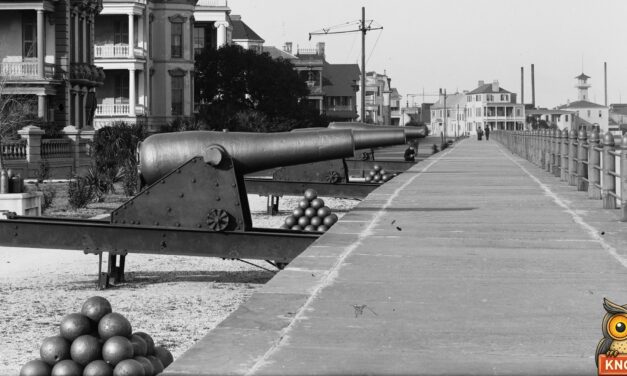
In 1910, men laying sewer pipe in Charleston, South Carolina, dug into a forgotten graveyard and cannonballs from the Revolutionary War.
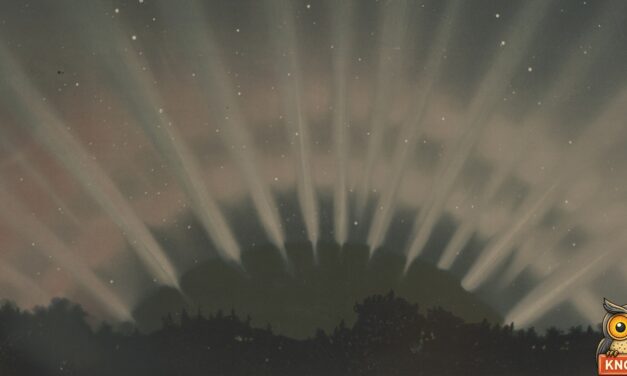
In May 1921 the northern lights covered the whole sky over Barre, Vermont, while a giant sunspot jammed telegraph wires from New York to Sweden.
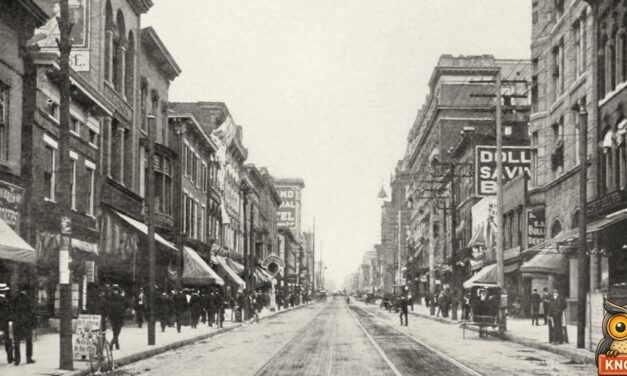
In 1905 a hotel man in Wheeling, West Virginia, staged a fake foot race at 1:30 a.m. A helpful visitor stepped off the track and was left counting alone.
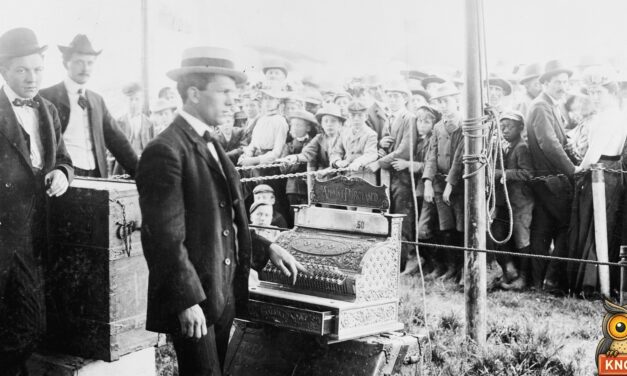
On circus day in 1896, four boys in The Dalles, Oregon, found a pocketbook with enough change for tickets and elephant peanuts. They turned it in.
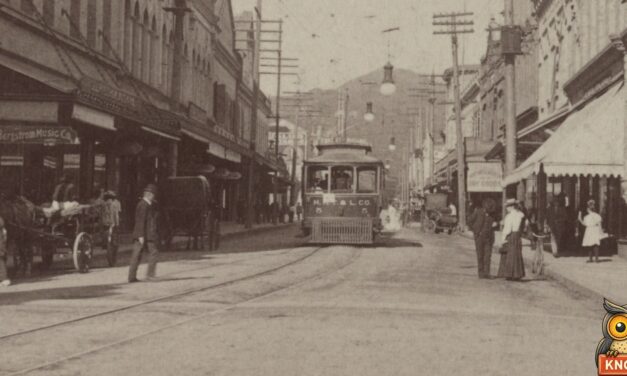
In January 1917, thirty women of the Honolulu Y.W.C.A. wrote and edited the Star-Bulletin for a day. The regular reporters wrote them a poem.
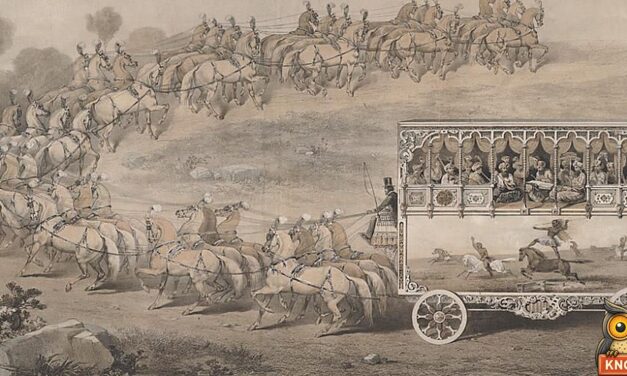
In 1857 a circus promised Morgantown, West Virginia, a free show if one man could not drive forty horses. The town bought more than 5,500 tickets.
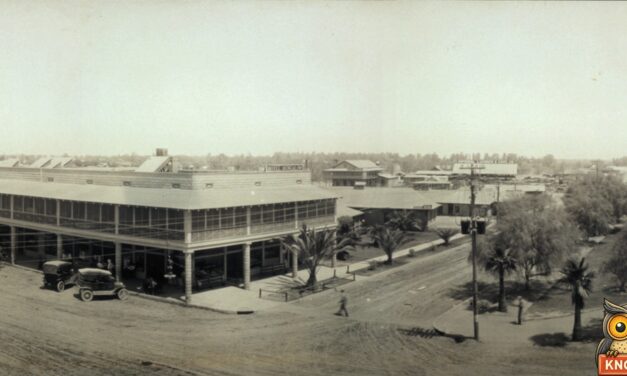
In June 1917 Brawley, California, switched on its new street lights and gave away hundreds of crates of iced cantaloupes. Here is how the party went.
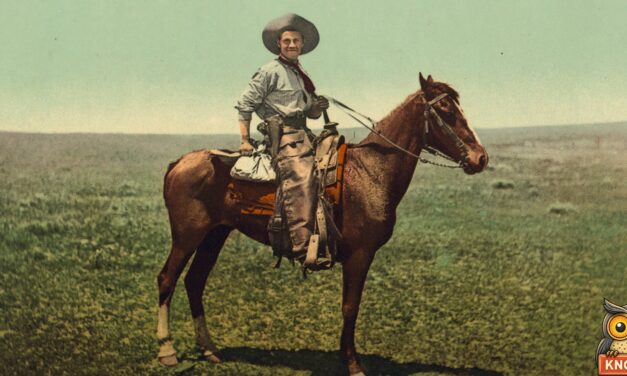
In 1894 a 13-year-old cow horse named Prince raced a bicycle 50 miles from Delta, Colorado, to Montrose and back. The horse won.
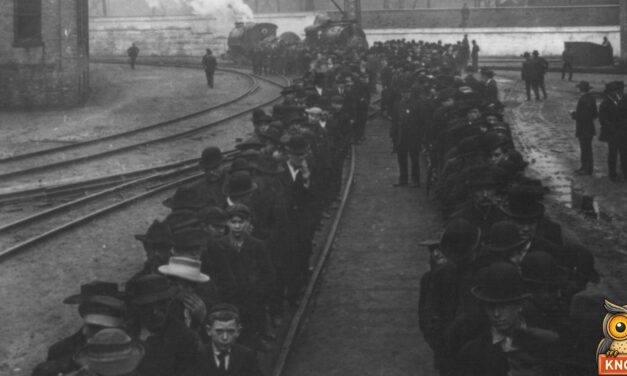
In 1903 Americus, Georgia, called the railroad pay car the ghost. Once a month it rolled in with thousands of dollars in coin. Here is how payday worked.
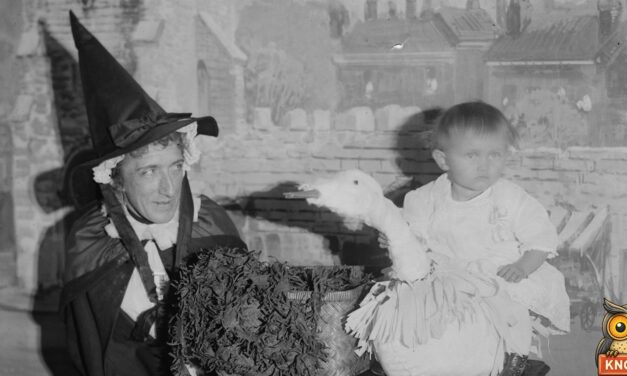
On Halloween 1896, about forty Willimantic, Connecticut, high school students acted out Mother Goose rhymes in pantomime for a packed Franklin Hall.
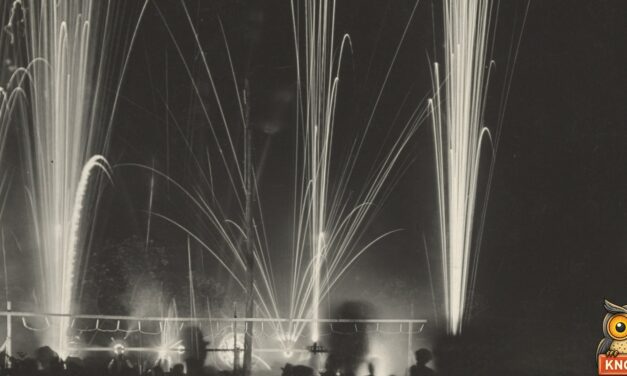
In 1908 a New York fireworks company drew the mayor of Grand Junction, Colorado, in fire at the Mesa County Fair. Here is how the night went.
